
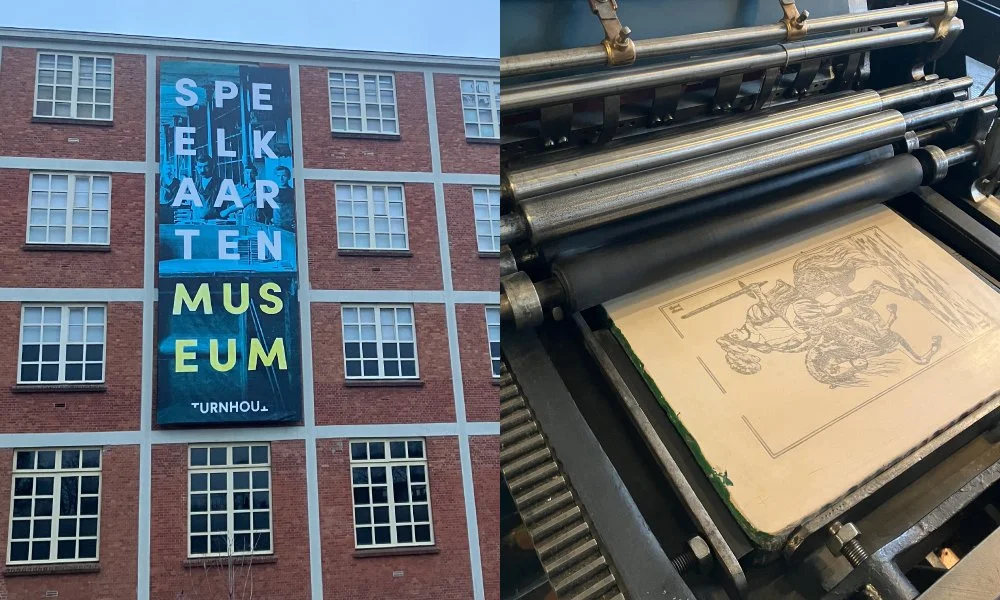
After an inspiring three-day workshop at Atelier T in Bierbeek, it was time for our second field trip — and this one had a particularly rich visual and historical flavor. We had the pleasure of meeting Herwig Kempenaers at the National Playing Card Museum (Nationaal Museum van de Speelkaart) in Turnhout, Belgium — a destination that should be on every printmakers radar.
Turnhout is just a short trip away and offers a truly immersive dive into the graphic arts through the lens of playing card history. Founded in 1965 and housed in a beautifully restored factory since 1988, the museum traces the evolution of playing cards — not just as objects of leisure, but as works of graphic design, industrial craftsmanship, and cultural heritage. The permanent collection features a vast array of cards from both Belgium and the Netherlands, some dating as far back as the 16th century. But the true focus is on the industrial boom that turned Turnhout into a global hub for printed playing cards.
This isn’t just a collection of playing cards in cases — it’s a living archive. The museum is home to an impressive collection of historical printing presses: lithographic and offset, many still in working order. Some date back to the 1800s, powered by hand-cranked flywheels and even a roaring 19th-century steam engine, which museum staff run on special demonstration days. You can hear, see, and feel the legacy of graphic production in motion.
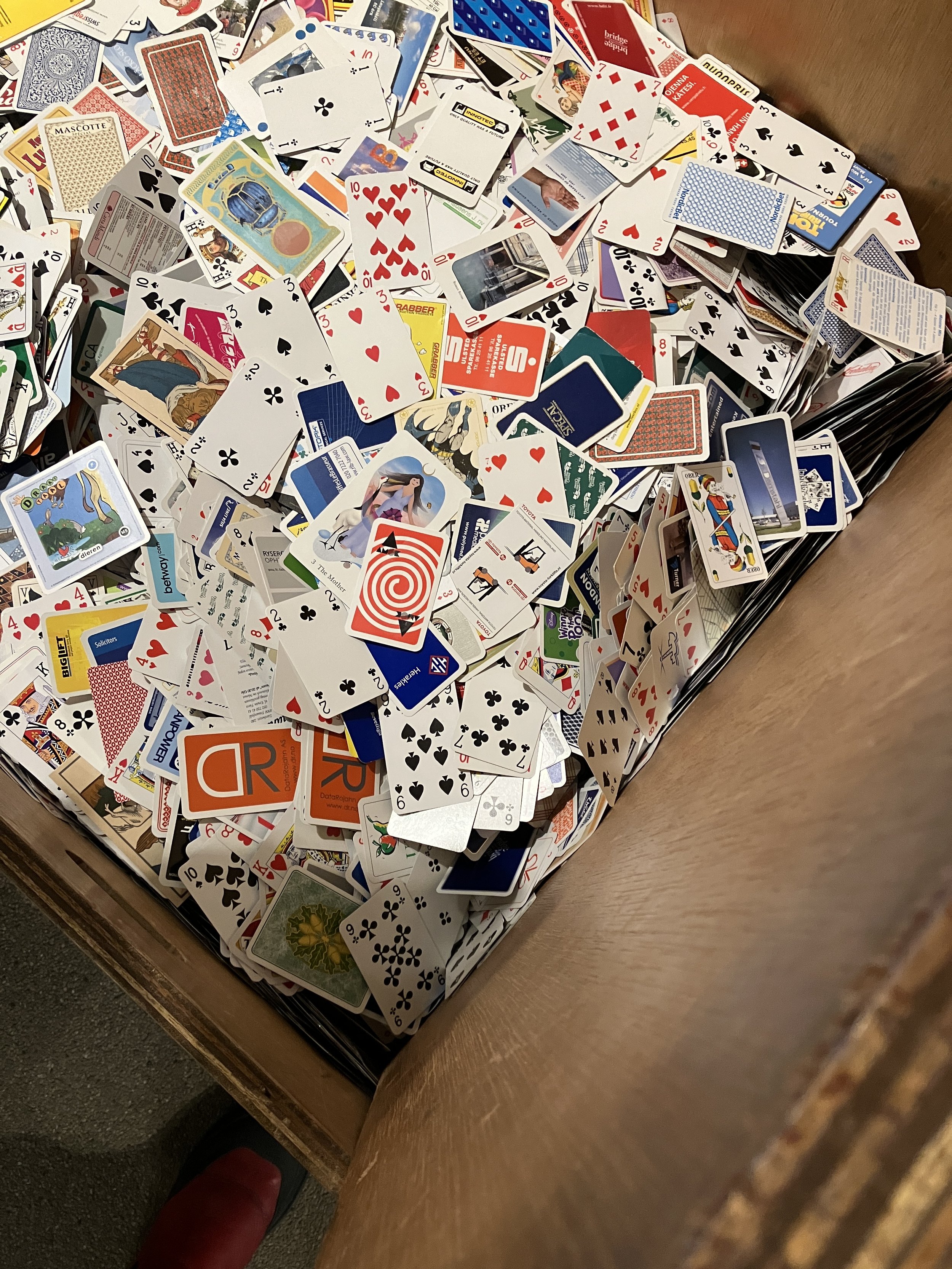
Fun fact: chances are the deck of cards in your drawer was printed right here in Turnhout. Since the 19th century, the city has been a cornerstone of the graphic industry. In the 20th century, that legacy grew with the rise of Cartamundi, one of the world’s leading playing card manufacturers, formed as a joint venture by local giants Biermans, Brepols, and Van Genechten.
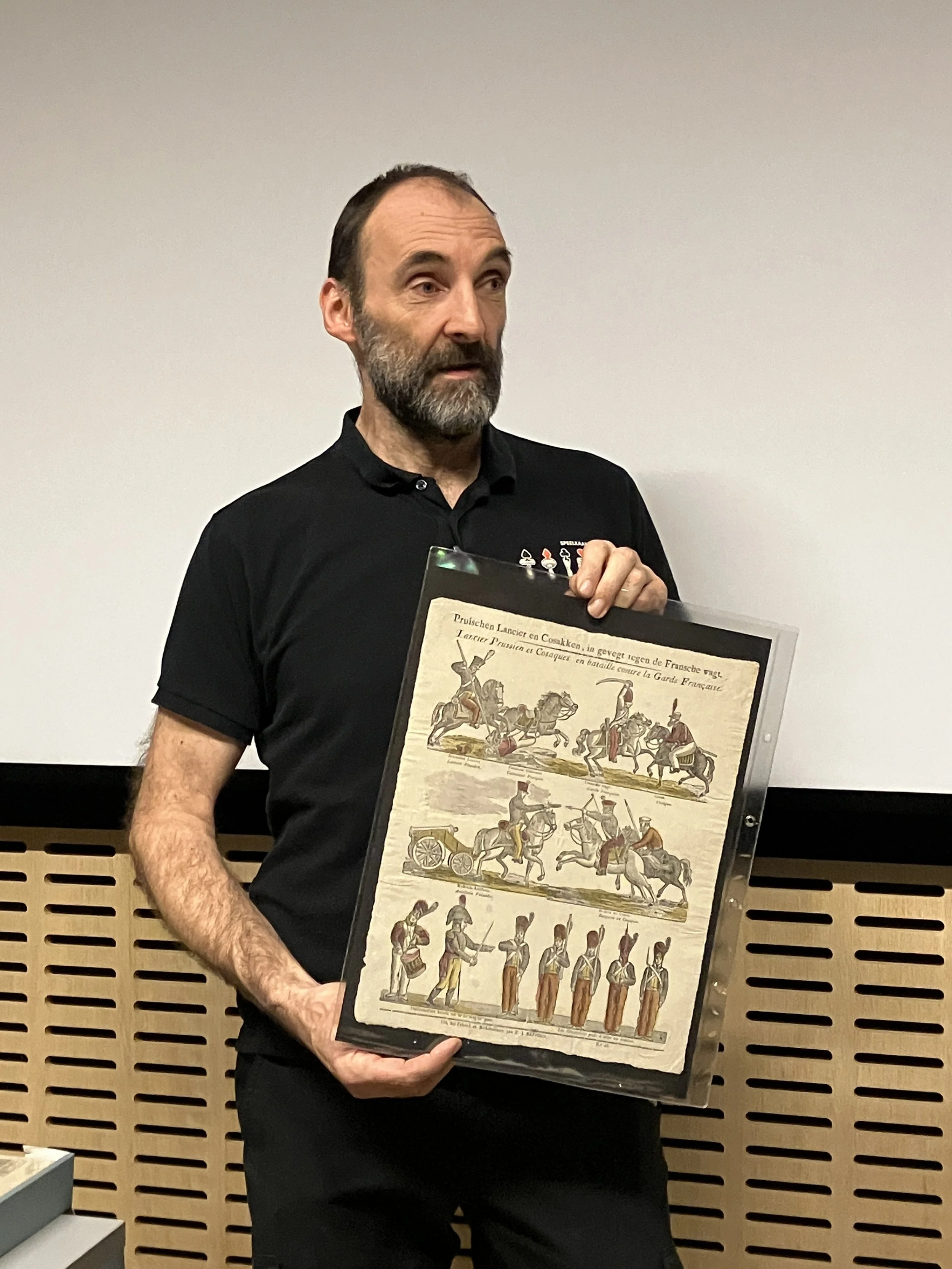
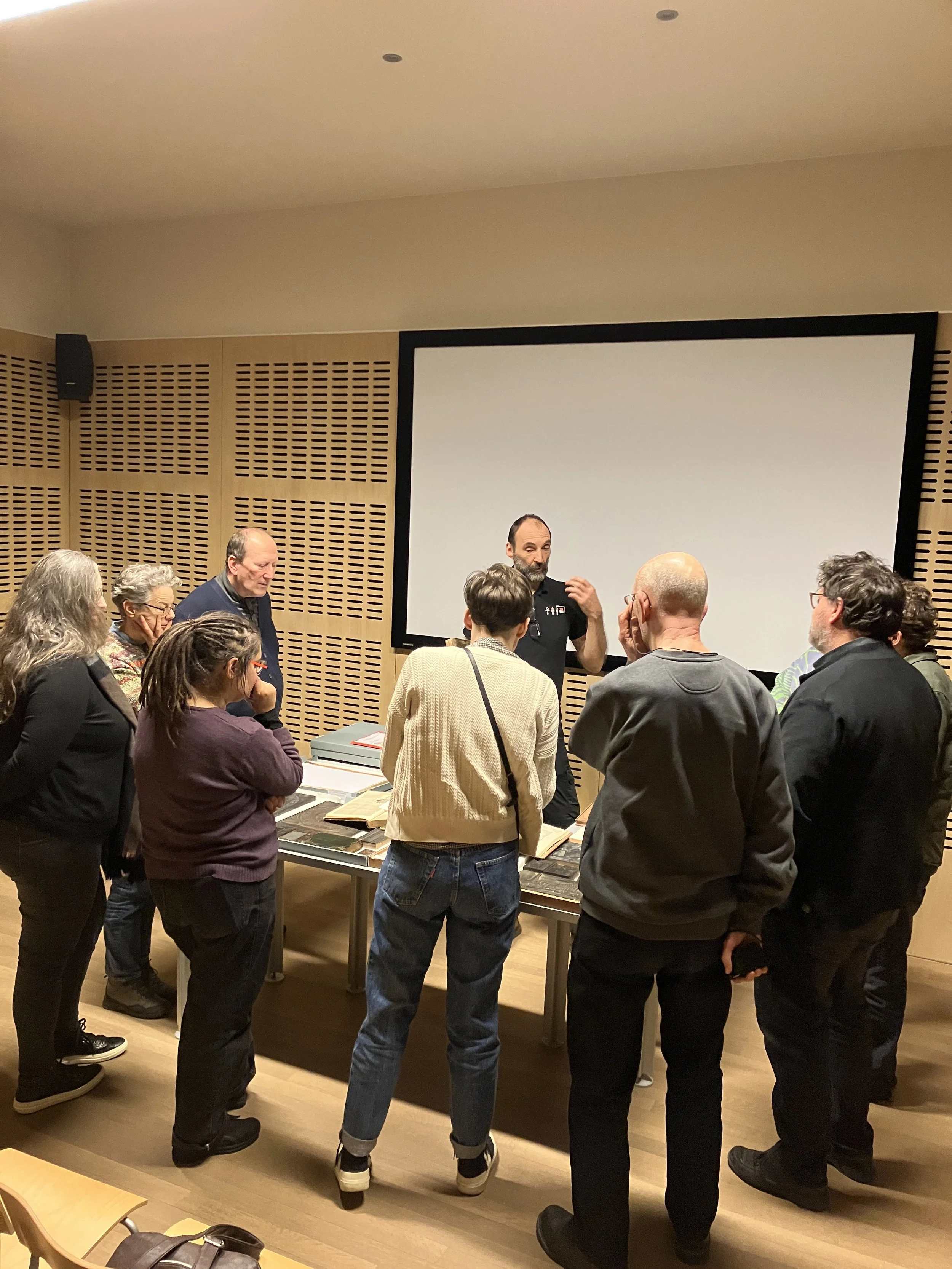
We started the day with lunch at Bar & Resto RISO, located inside the museum, before following Herwig Kempenaers — master printer, collector, and passionate historian — into a private room. There, he laid out selections from his personal archive: rare books, broadsides, and original wood blocks that told their own visual stories. His knowledge and generosity brought these pieces vividly to life.
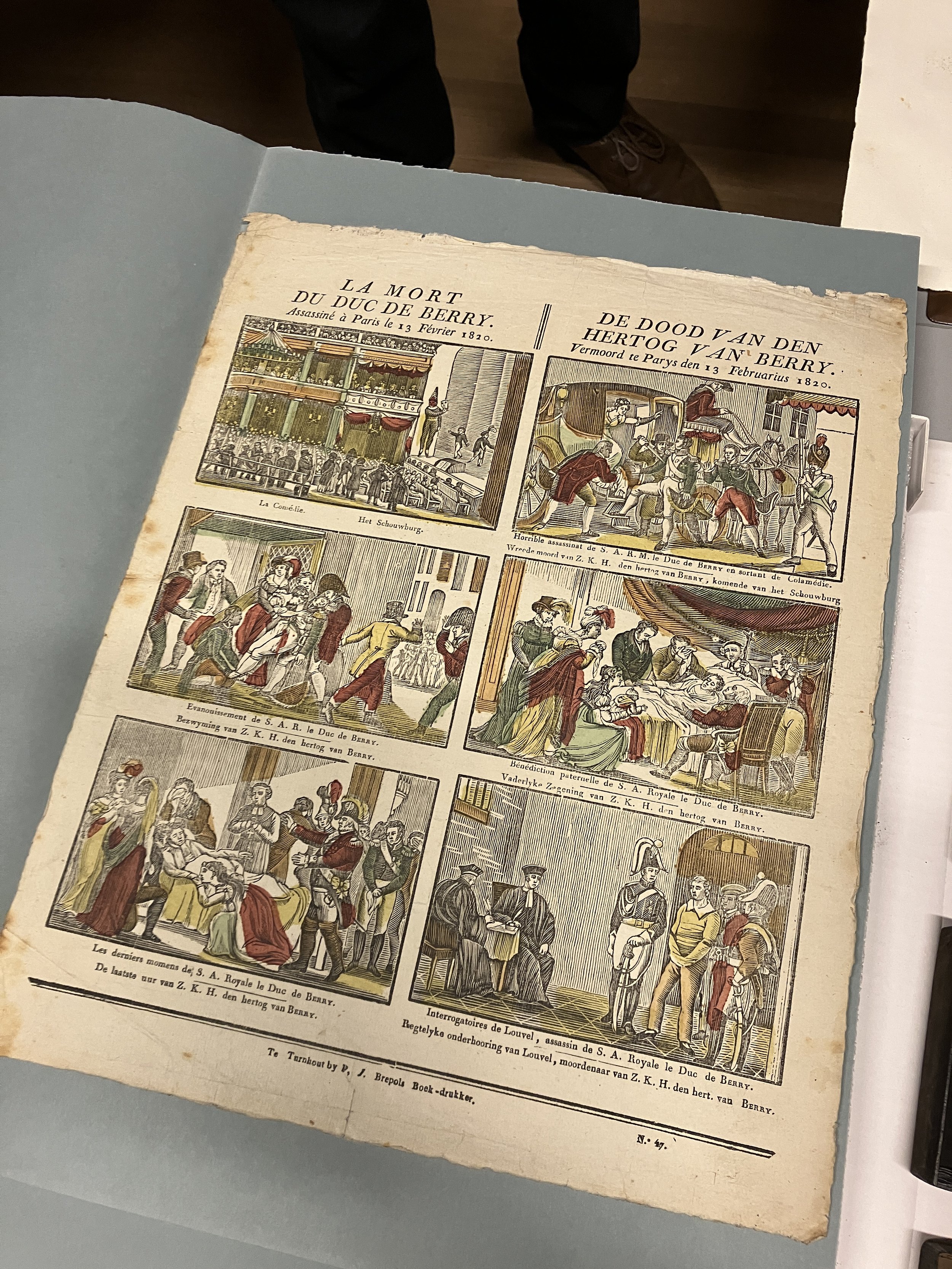
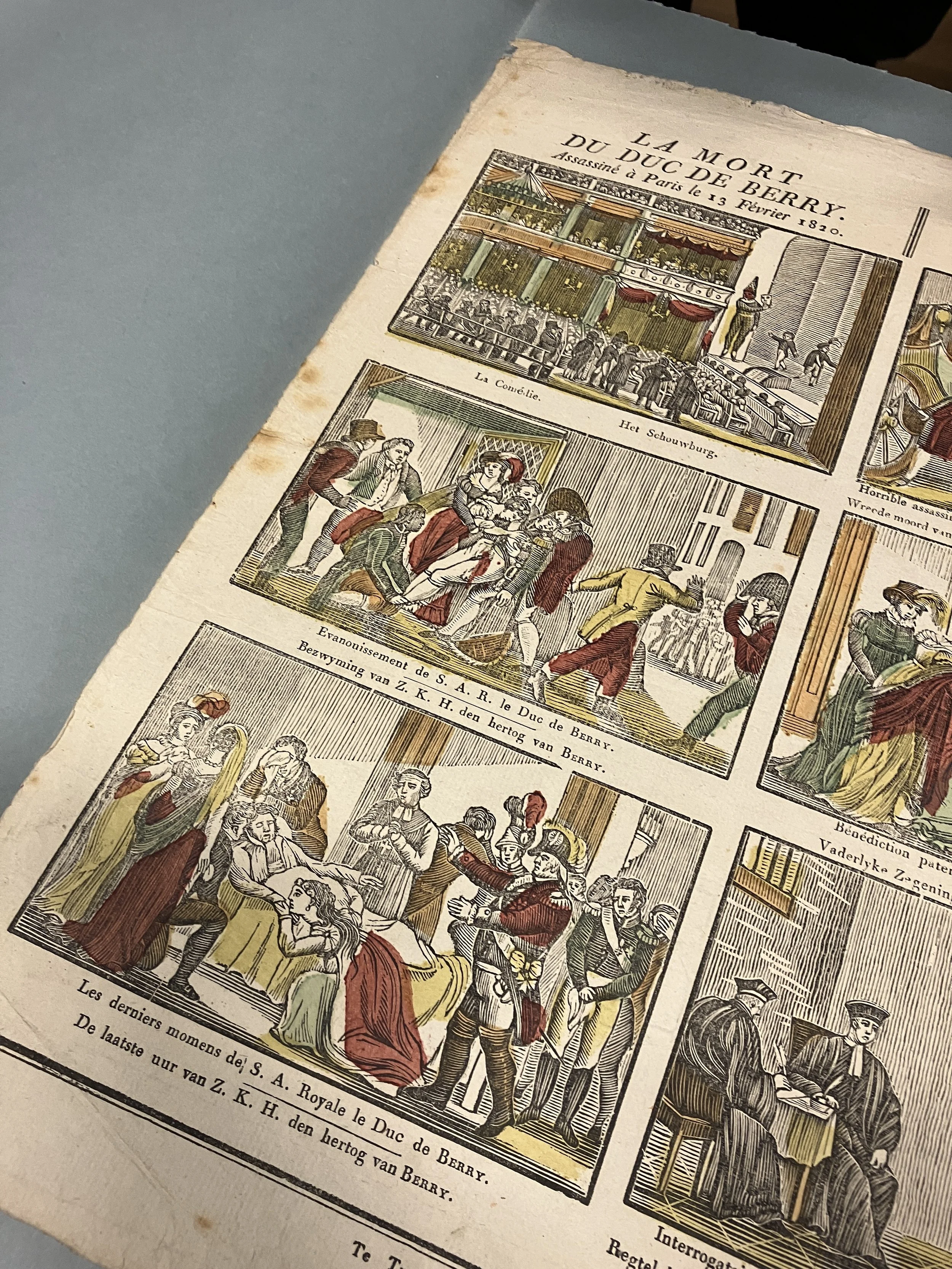
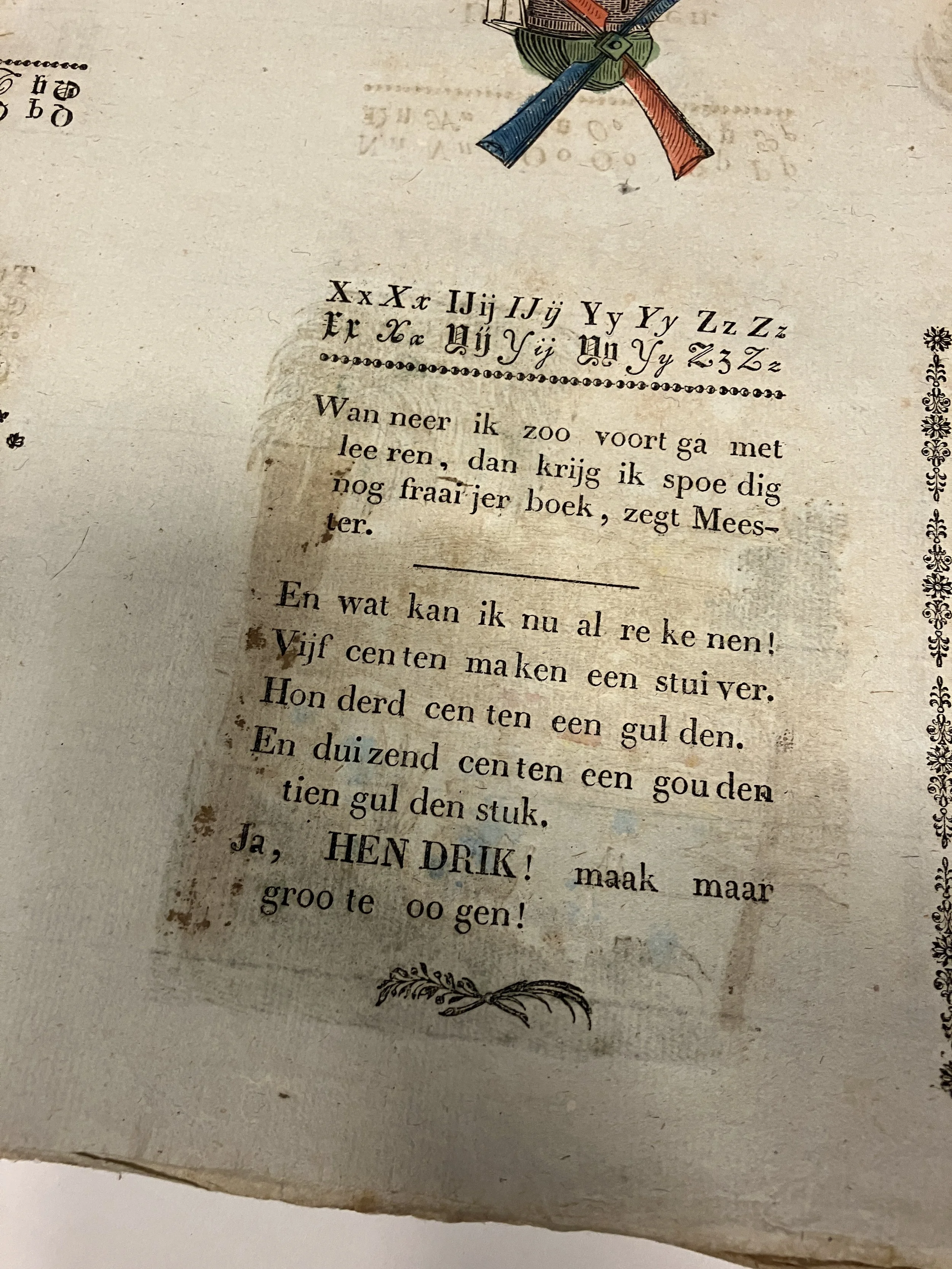
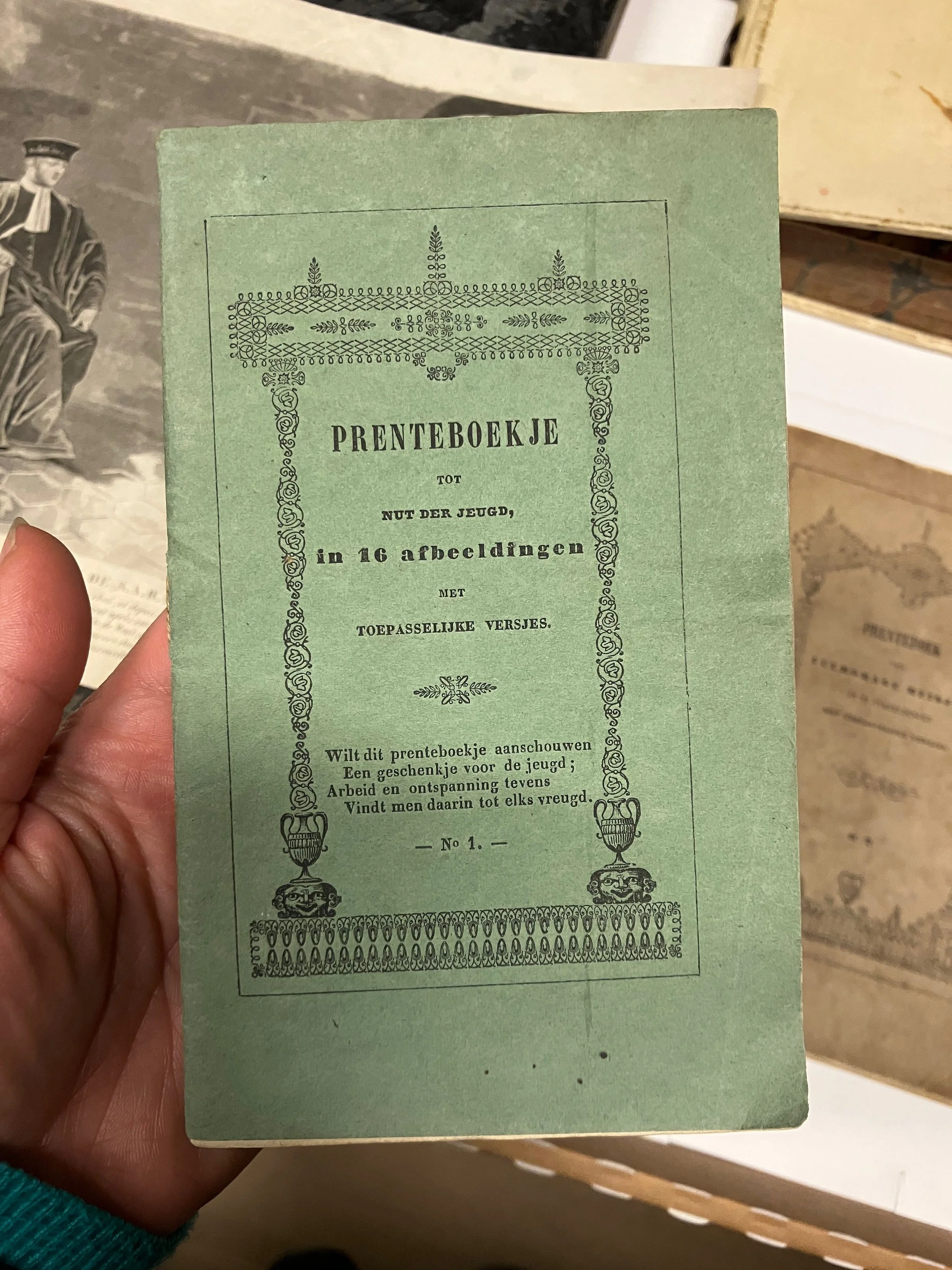
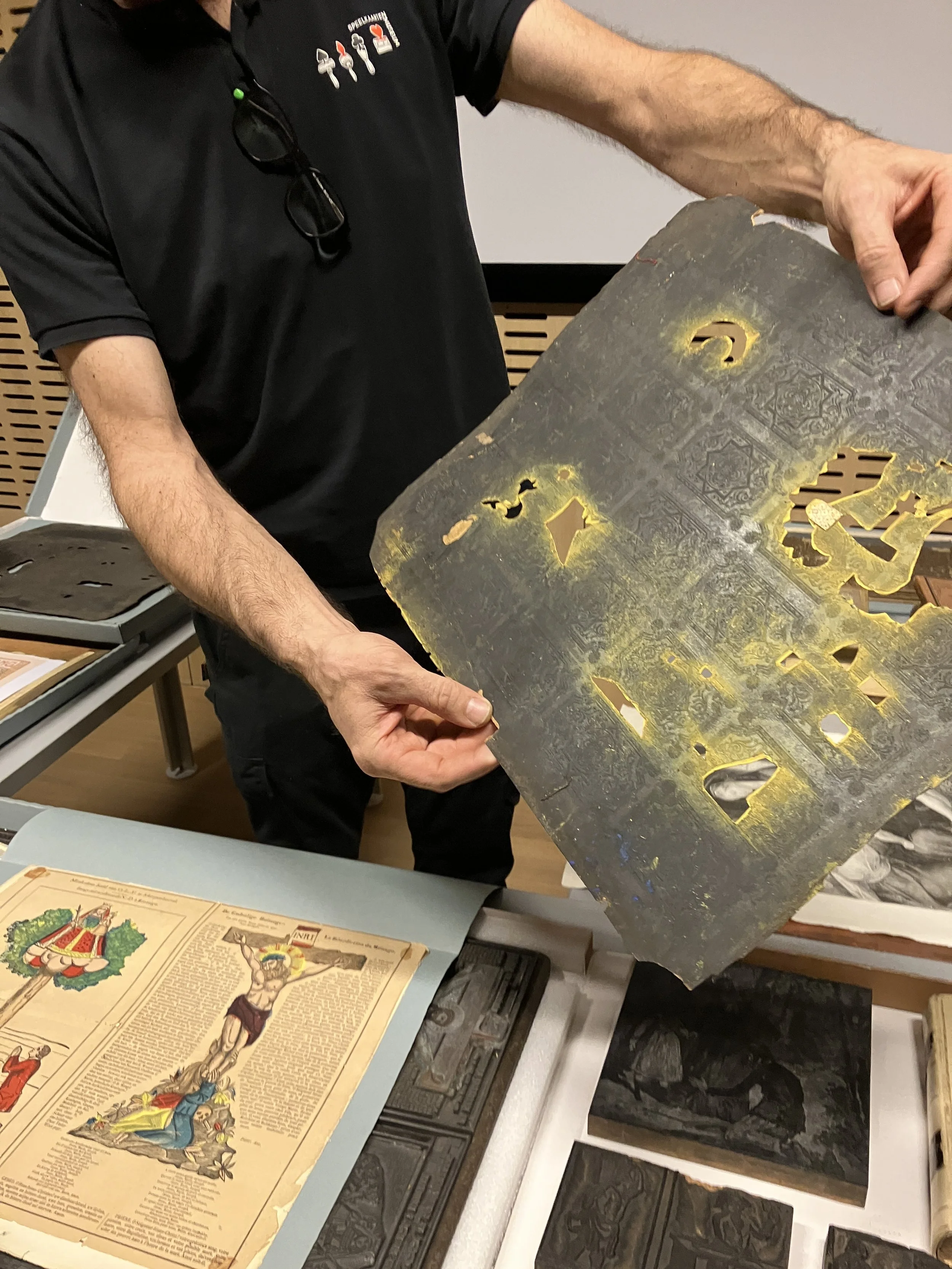
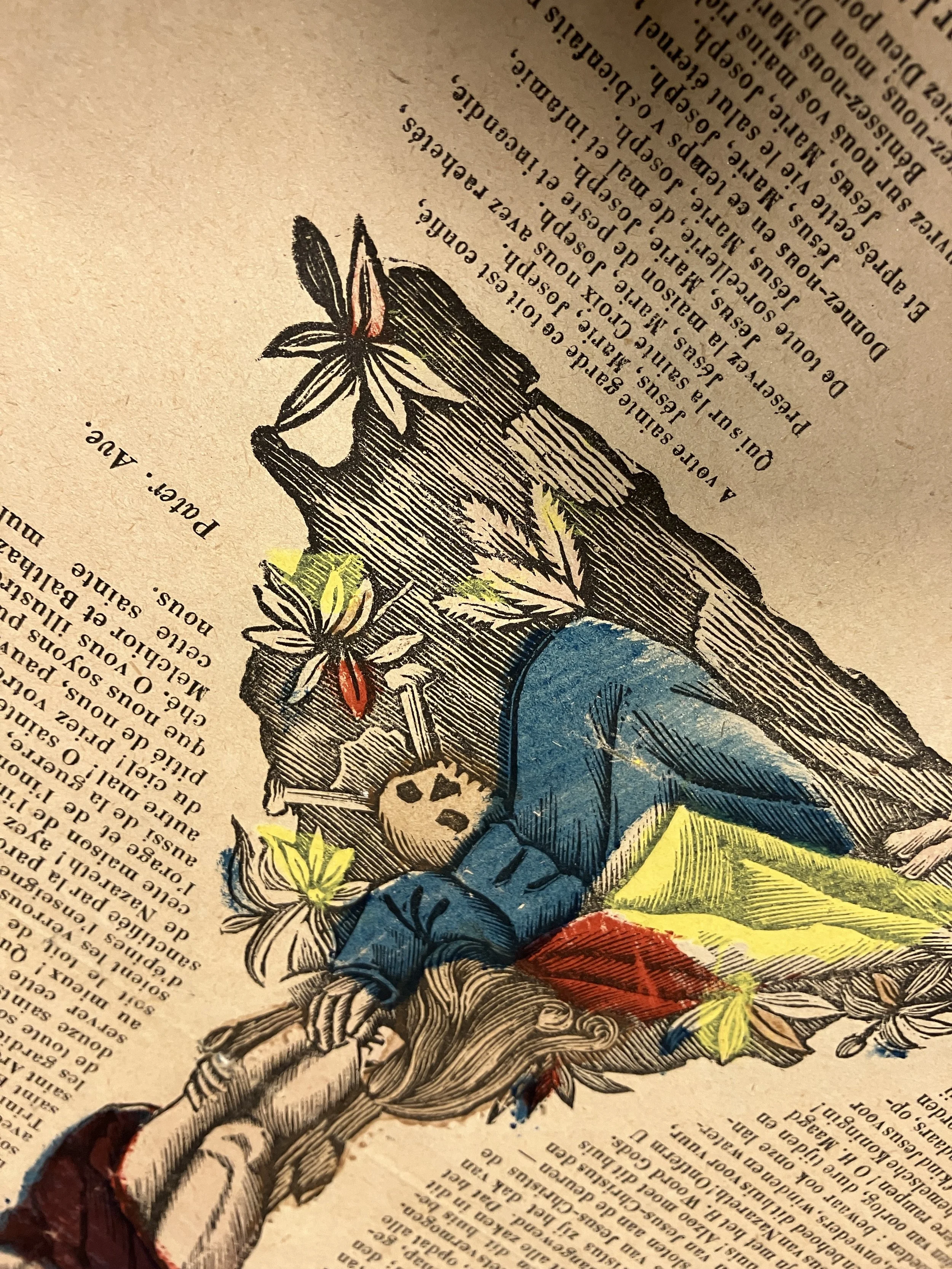
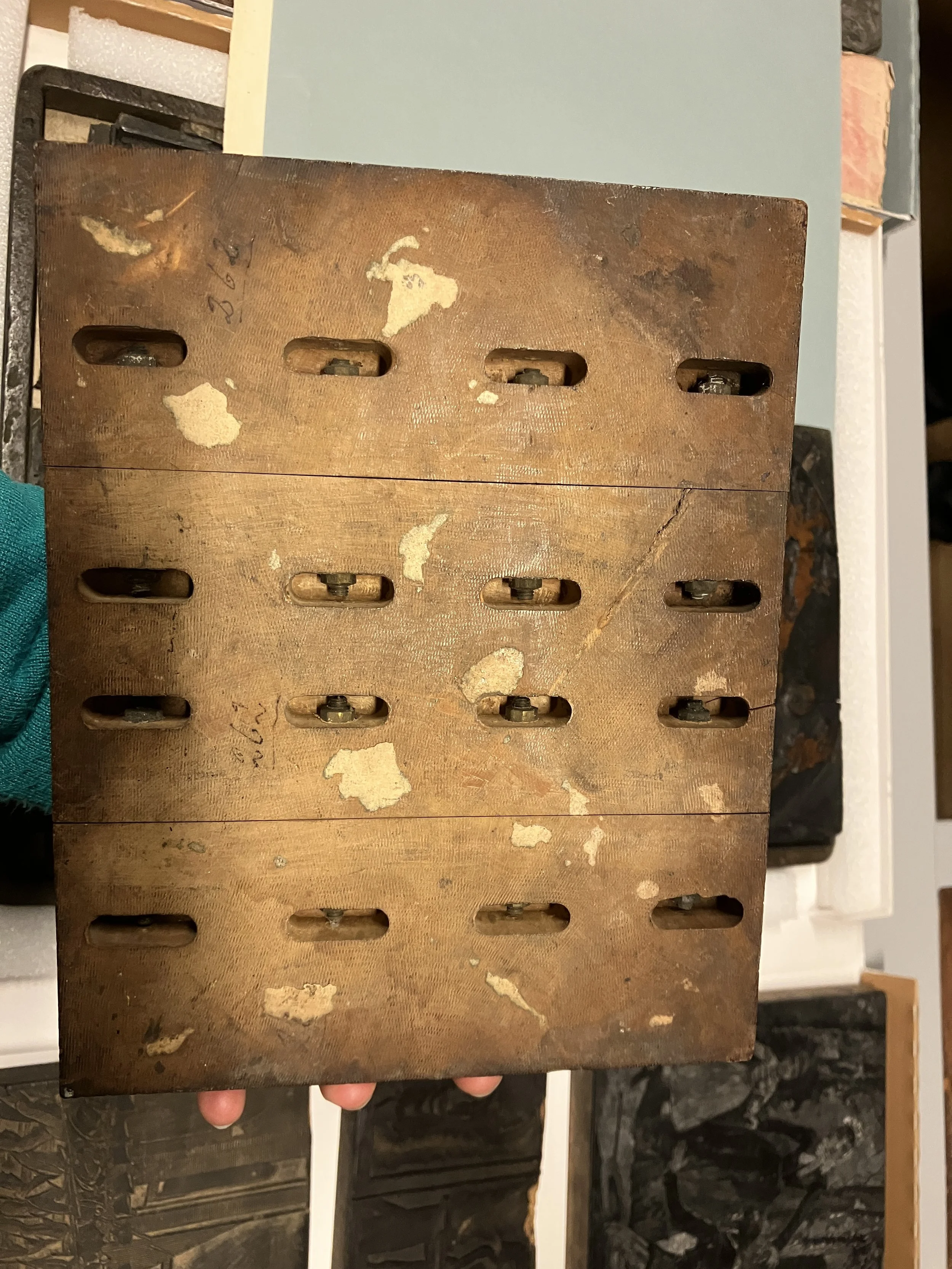
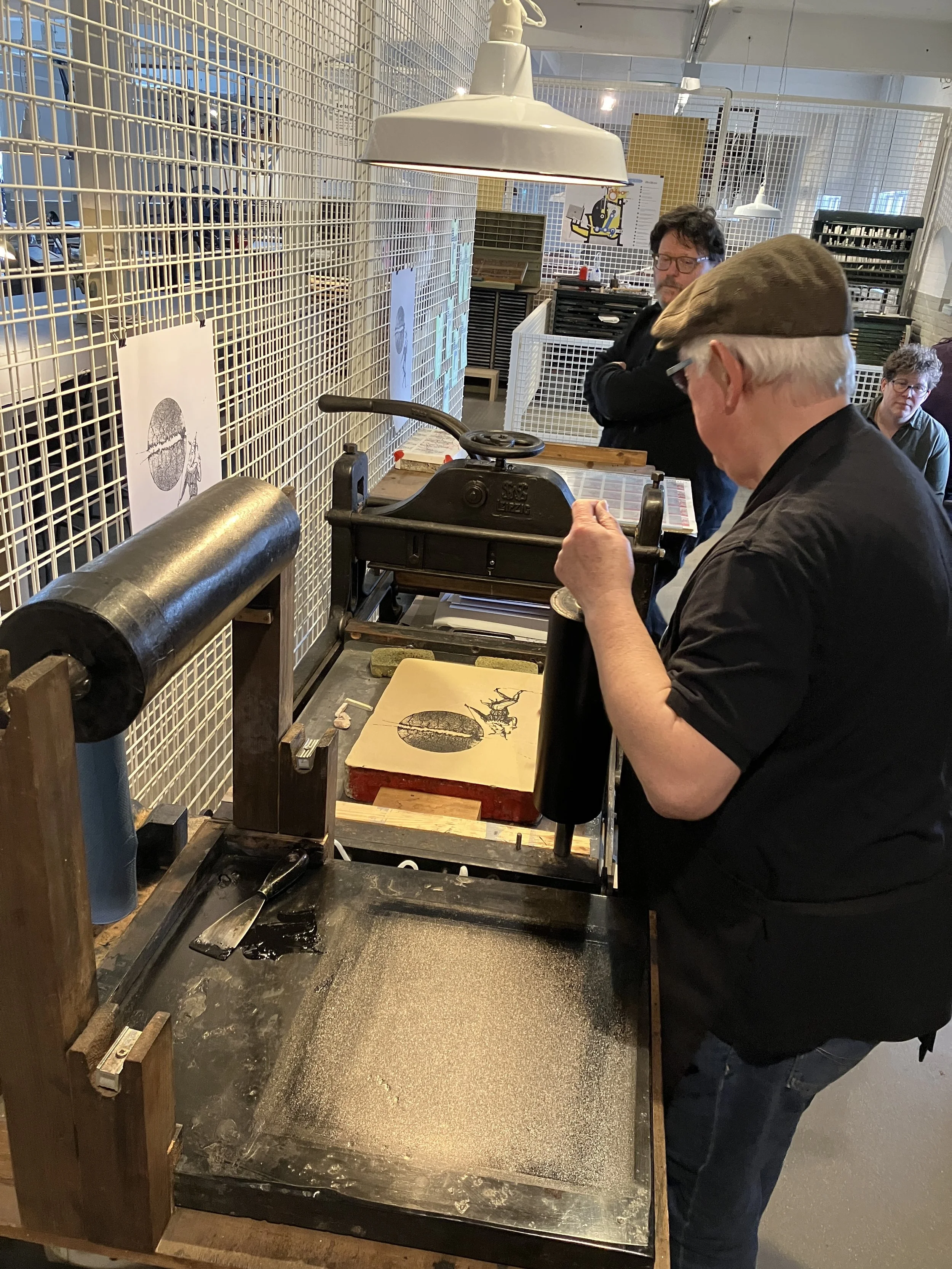
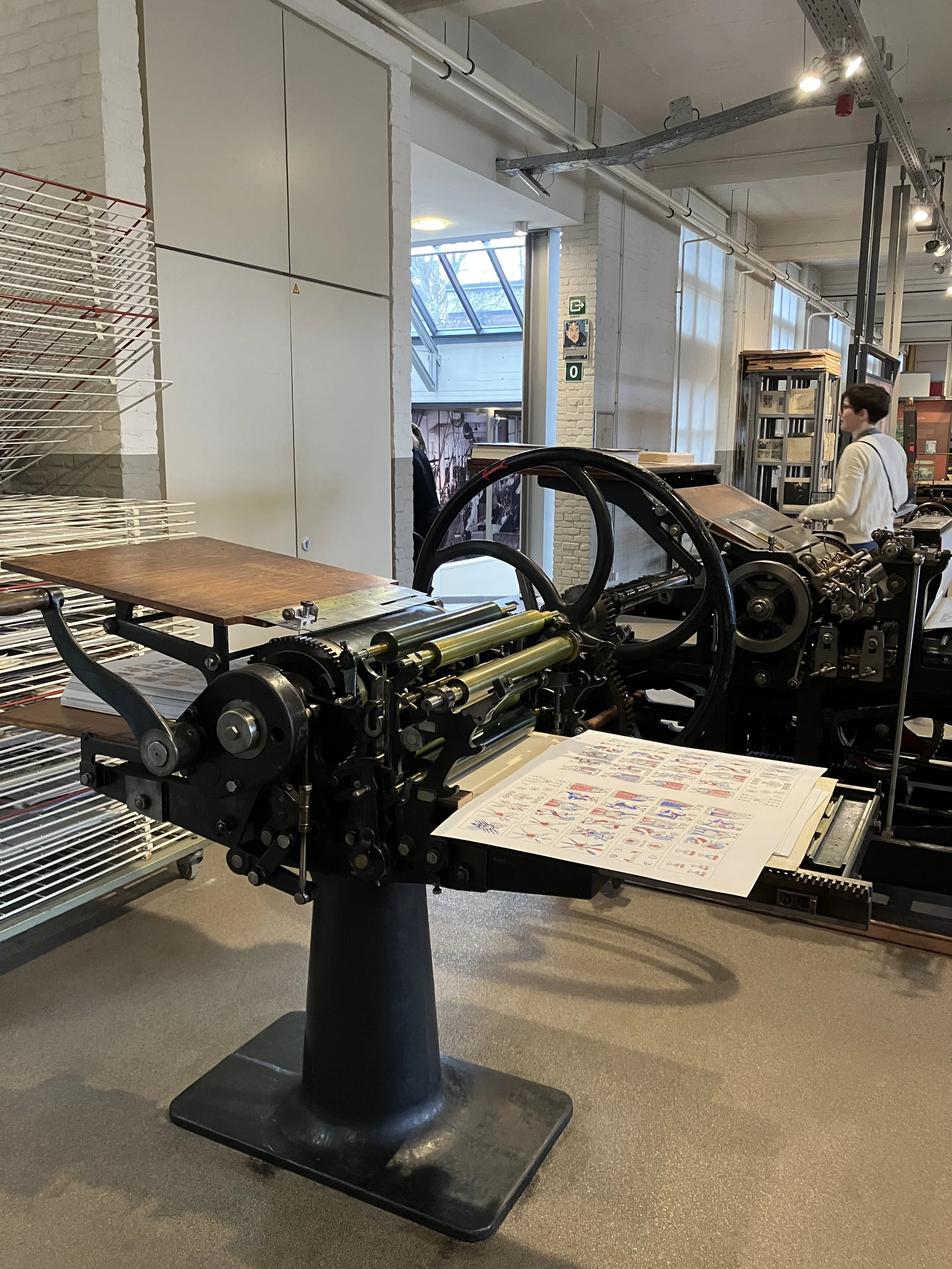
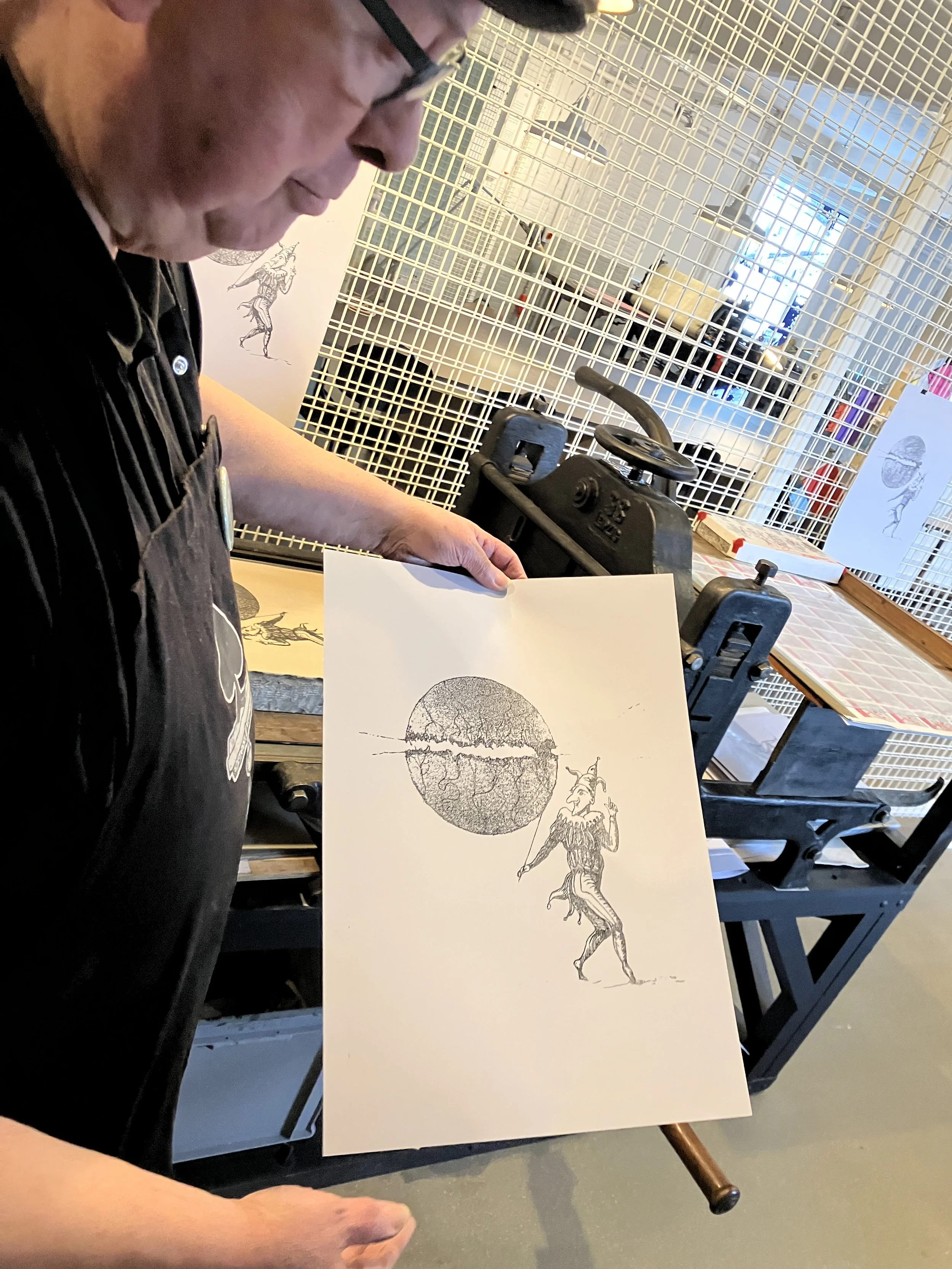
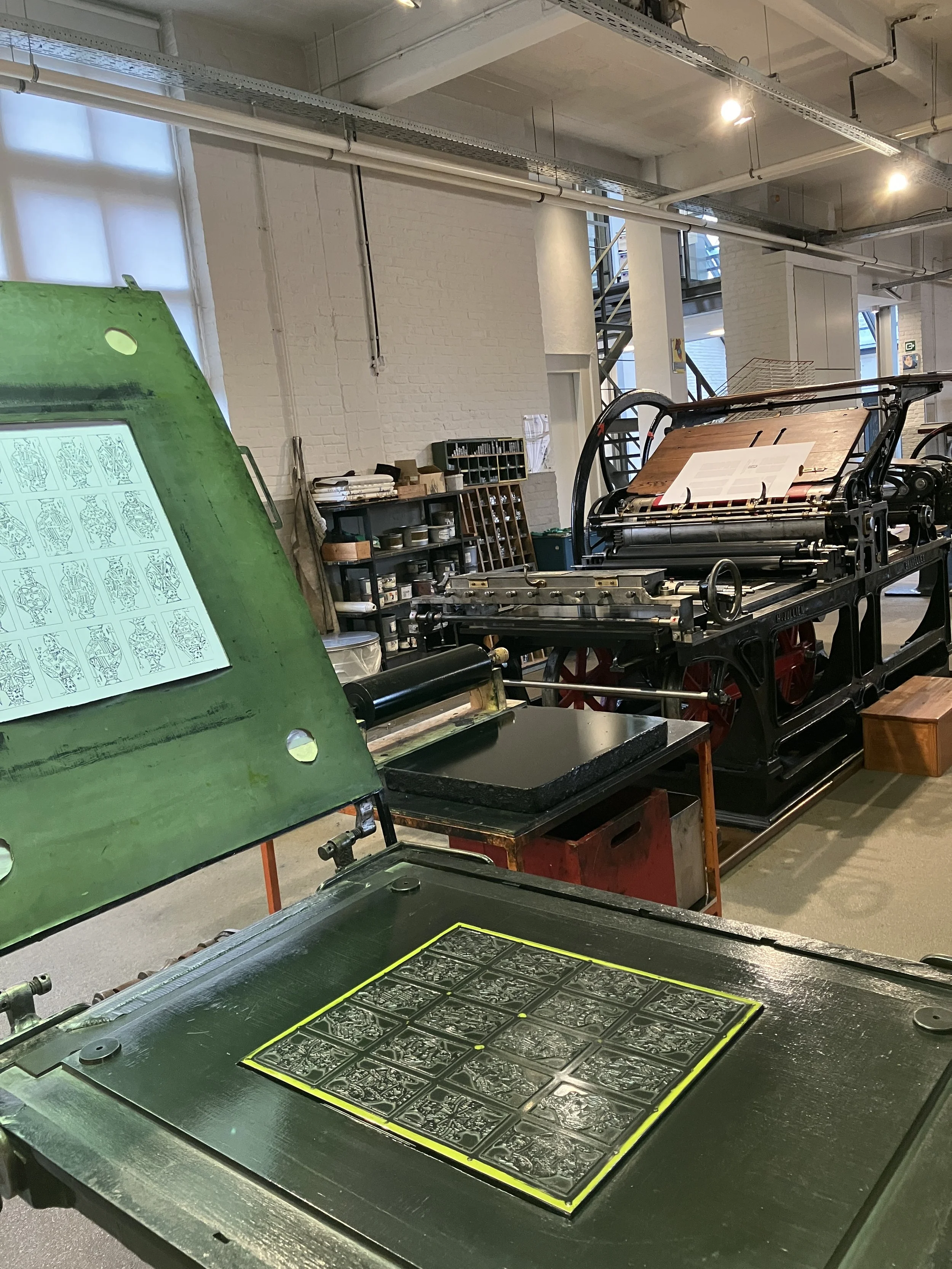
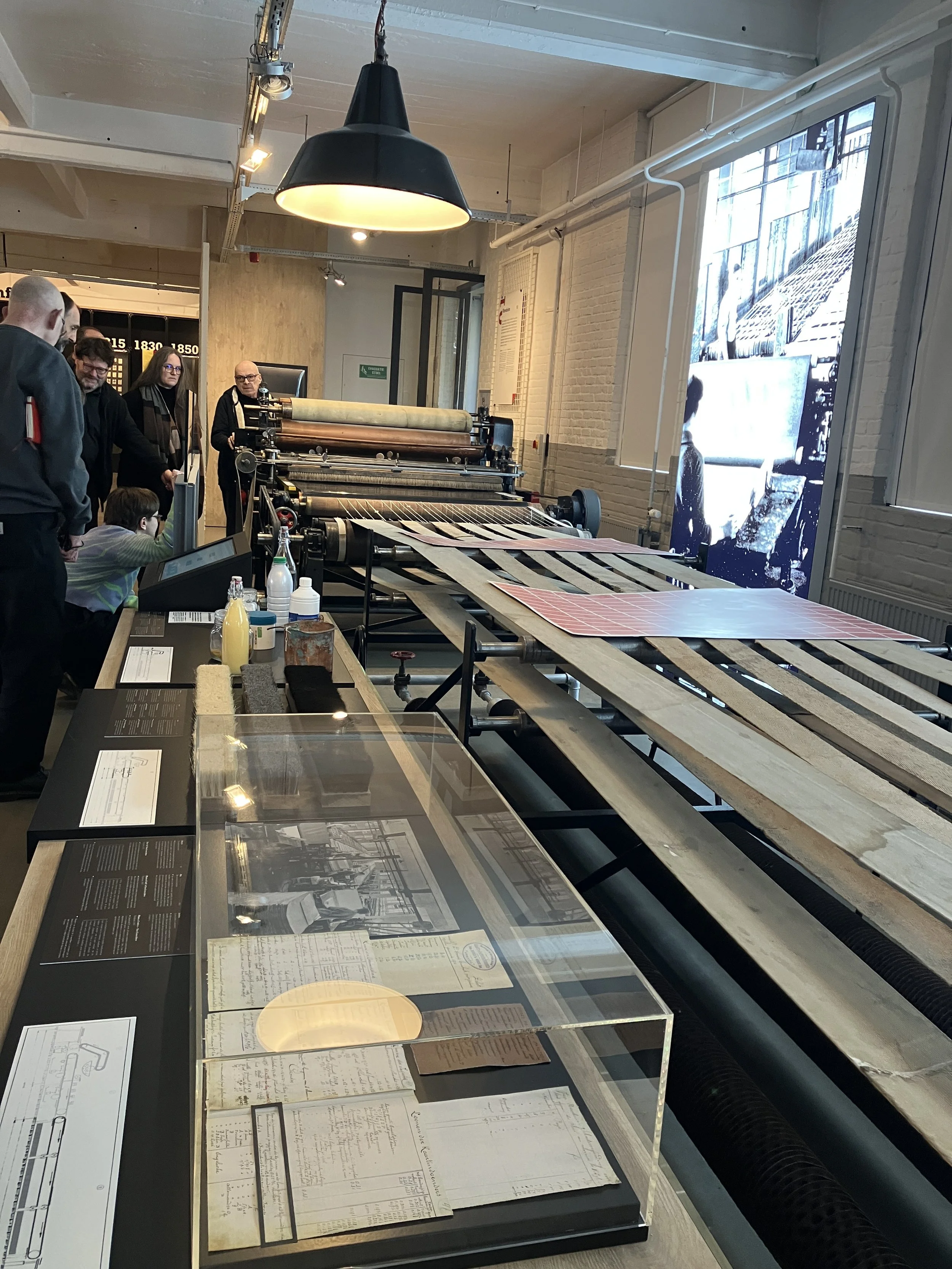
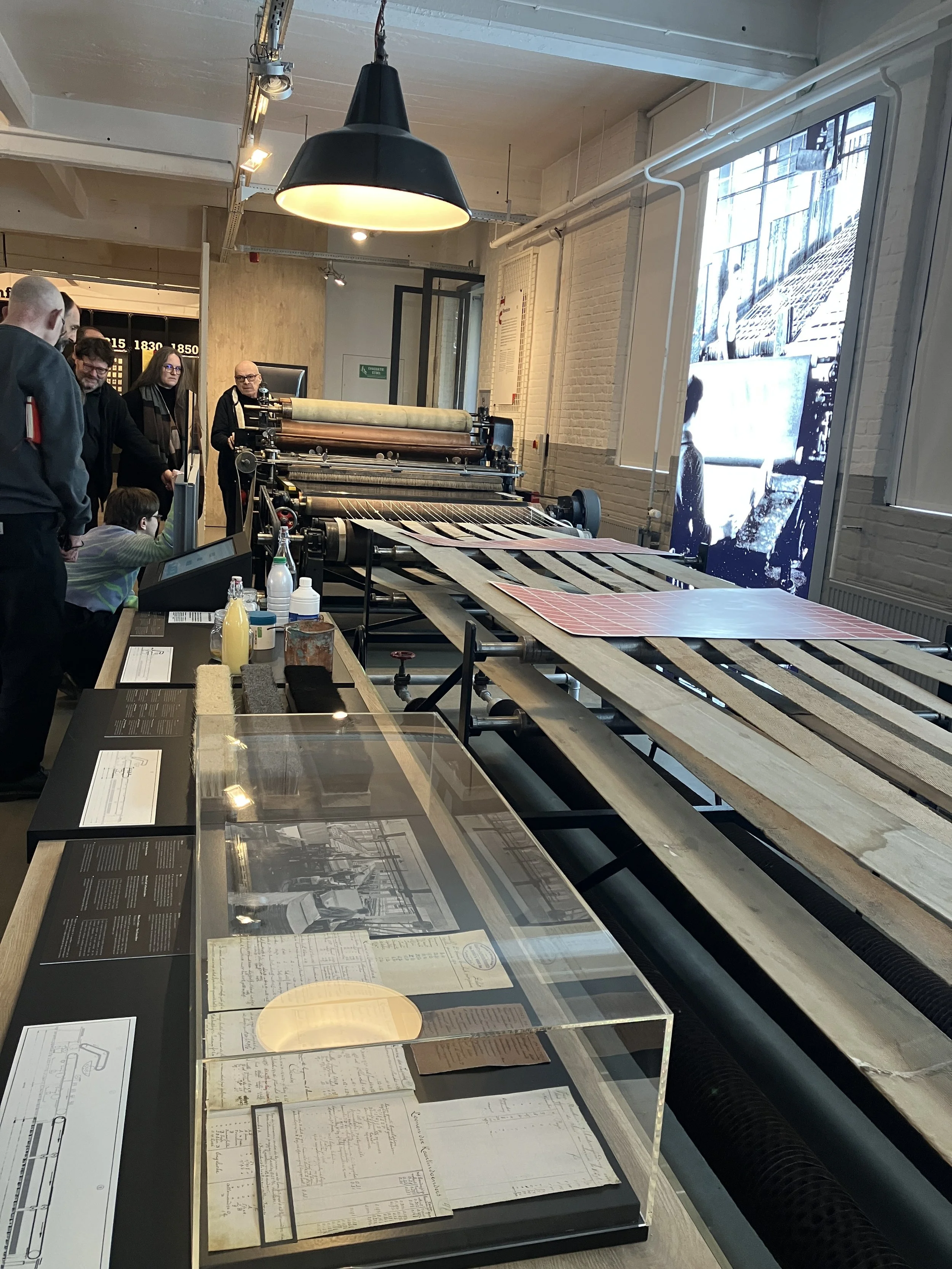
Then came the main event: the press hall. Massive printing machines stood proudly, surrounded by the scent of ink and oil. Volunteers ran demonstrations of lithography and offset printing techniques.
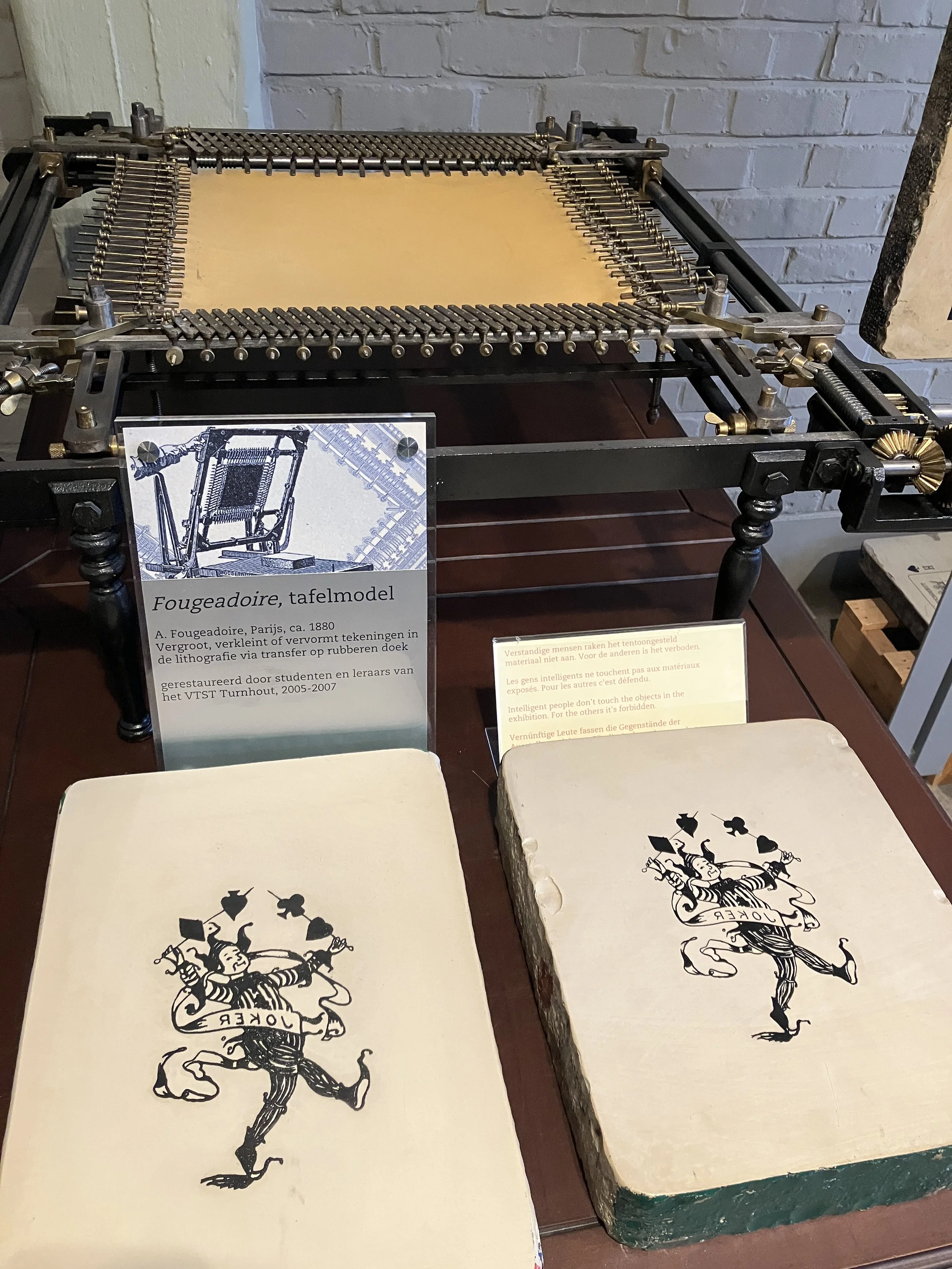
We learned about the Fougeodoire, a fascinating piece of 1880s equipment that could enlarge or reduce drawings in lithography using rubber cloth transfer — an analog method that still impresses in a digital world.
One highlight was watching the final finishing touches of card production by Swa, a skilled volunteer whose precision and craftsmanship were simply mesmerizing.
We wrapped up our visit under the deep, resonant hum of the old steam engine — a fitting end to a day steeped in the history of visual communication and print culture.
A huge thank-you to Herwig for his time, expertise, and enthusiasm. We walked away not only informed, but inspired. If you care about design history, production methods, or just love the smell of ink, the National Playing Card Museum is a must-visit.
Check out for more pictures & videos
you might also like
de Prentfabriek
Long live the Black Arts / Visiting Hendrik Conscience Heritage Library and Museum Plantin-Moretus in Antwerp
Long live the Black Arts / One-year course typesetting 2024-2025. The beginnings. Atelier t.
Letterpress learning programme 2023. Atelier t.
3 days of printing fun or making posters at the Atelier t.
Three-day workshop for Kalamazoo Book Art Center students at the Museum of Industry
Gentse Feesten 2024 or “De boere-kermis”.
AEPM annual conference 2024. Printing museums and the Art of Survival.
TYPA, Tartu (EE). 23-25.05.2024.
Drukwerk in de Marge. The cover.
iBookBinding is returning to the Museum of Industry (Ghent)