- How 3-D Printing Is Saving the Italian Artisan
- PRINT. A cross-disciplinary exhibition, 27.06.15, Amsterdam
- A facsimile edition of an unpublished masterpiece of calligraphy and painting by Hermann Zapf. Support it on Kickstarter.

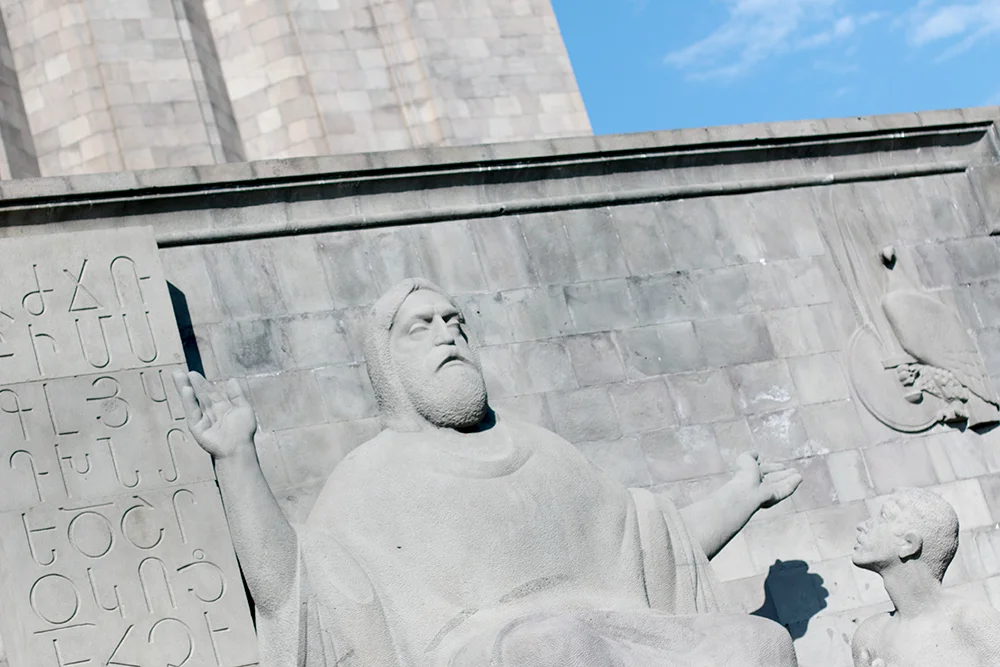
Each year when I’m in Yerevan I make sure I visit Matenadaran (The Mesrop Mashtots Institute of Ancient Manuscripts).The Matenadaran is a major center with a unique and exceptionally rich manuscript collection, one that has become a symbol of Armenia. It is named after Mesrop Mashtots, who is credited with the creation of the Armenian alphabet in 405. In fact The Matenadaran is both, it is a museum of ancient manuscripts and a scientific research institute.
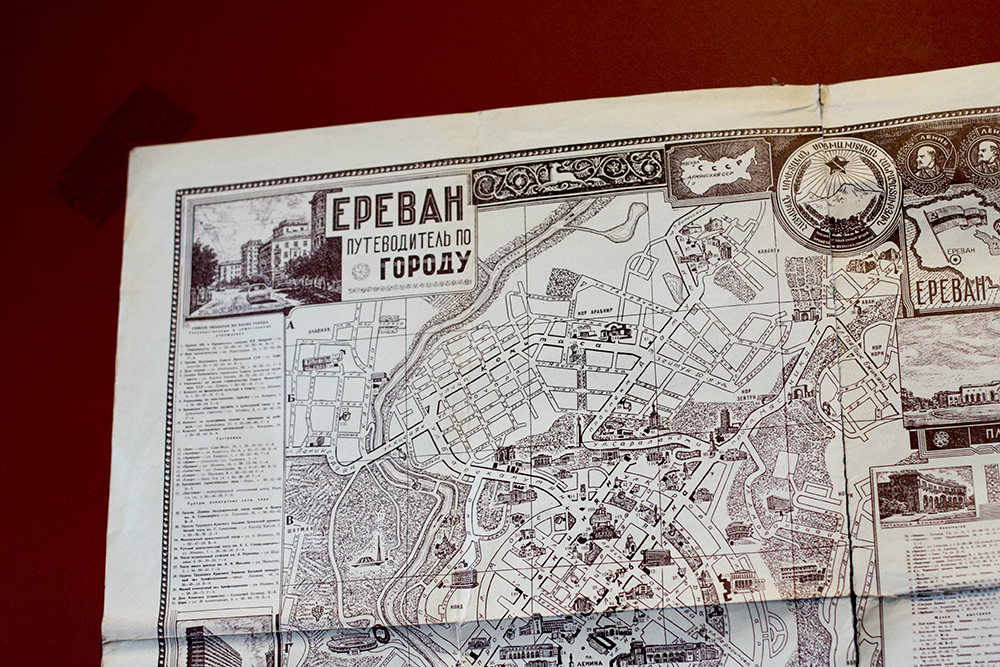
Read MoreEach year in April I’m taking a week off and leaving for Yerevan, Armenia to spend some time with friends and family. As the weather in Yerevan was lovely I spent most of my time strolling through the city, taking pictures and visiting the museums (believe me, my 'to-visit' list is still quite long;) ).
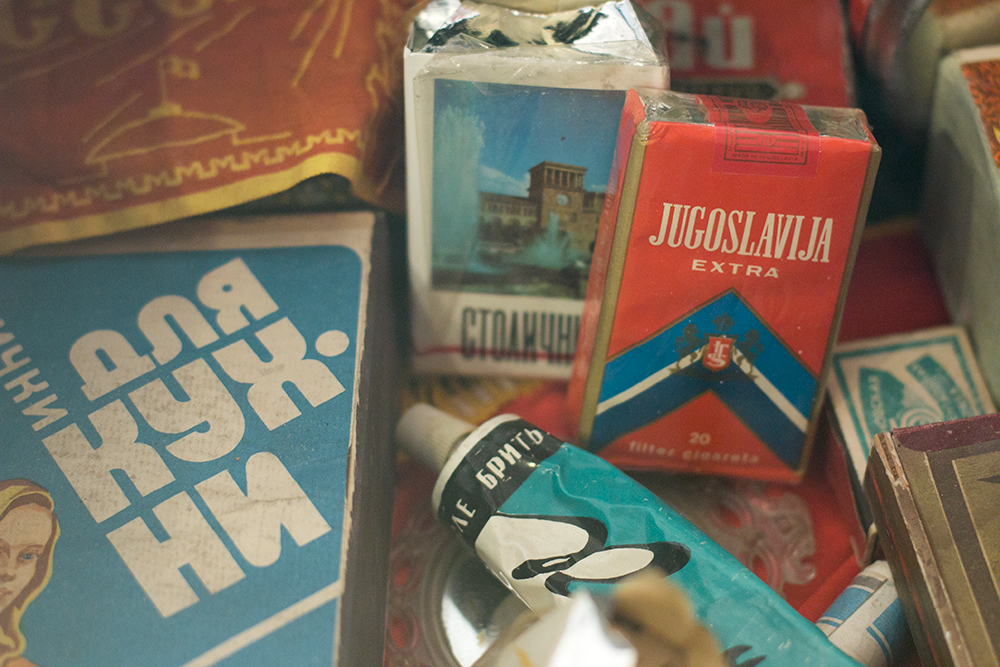
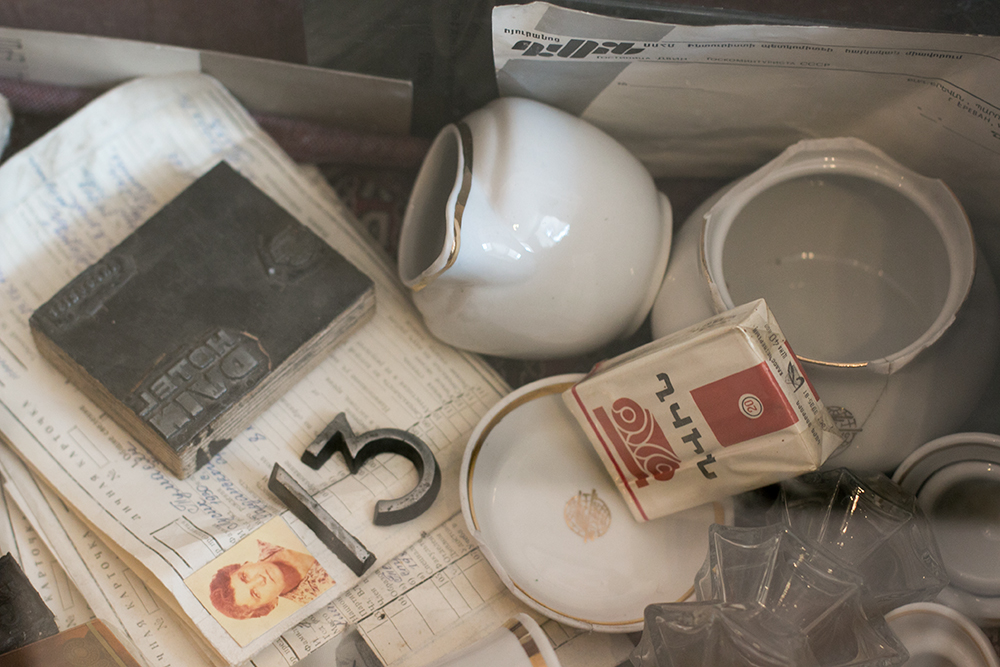
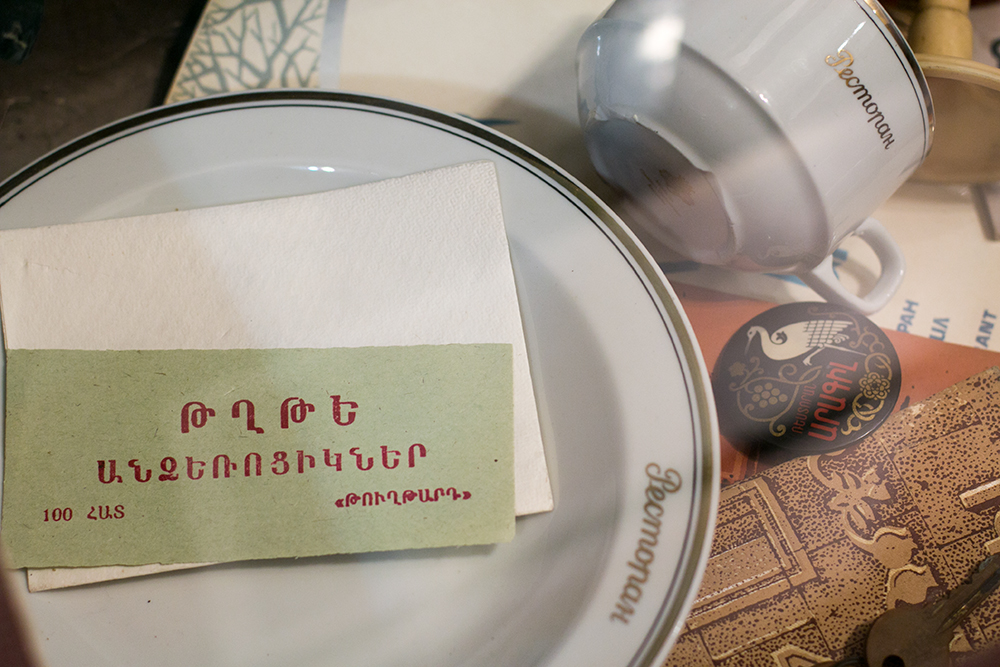
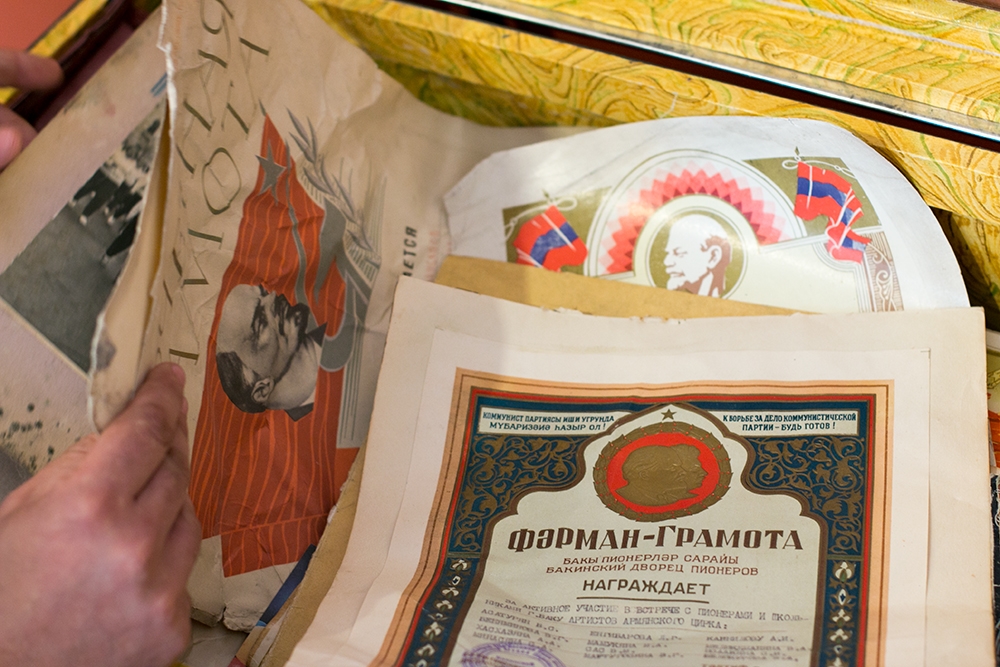
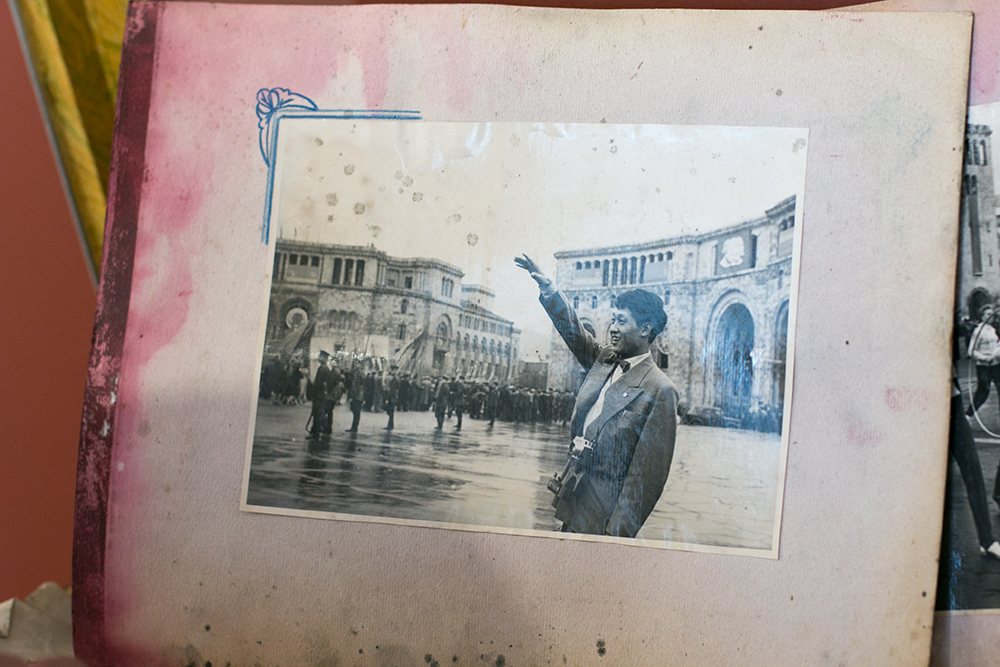
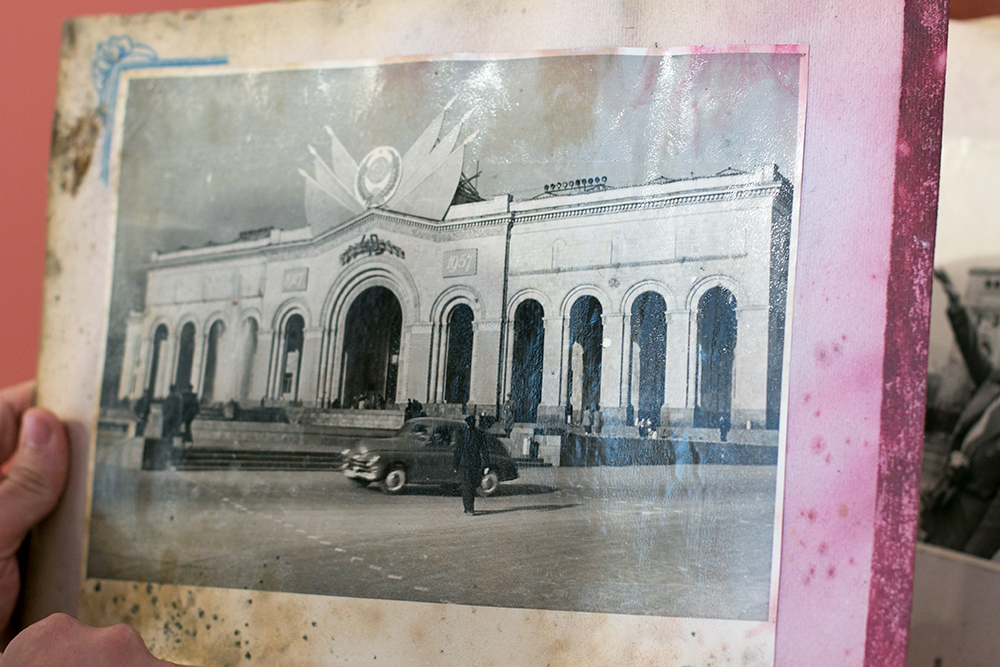
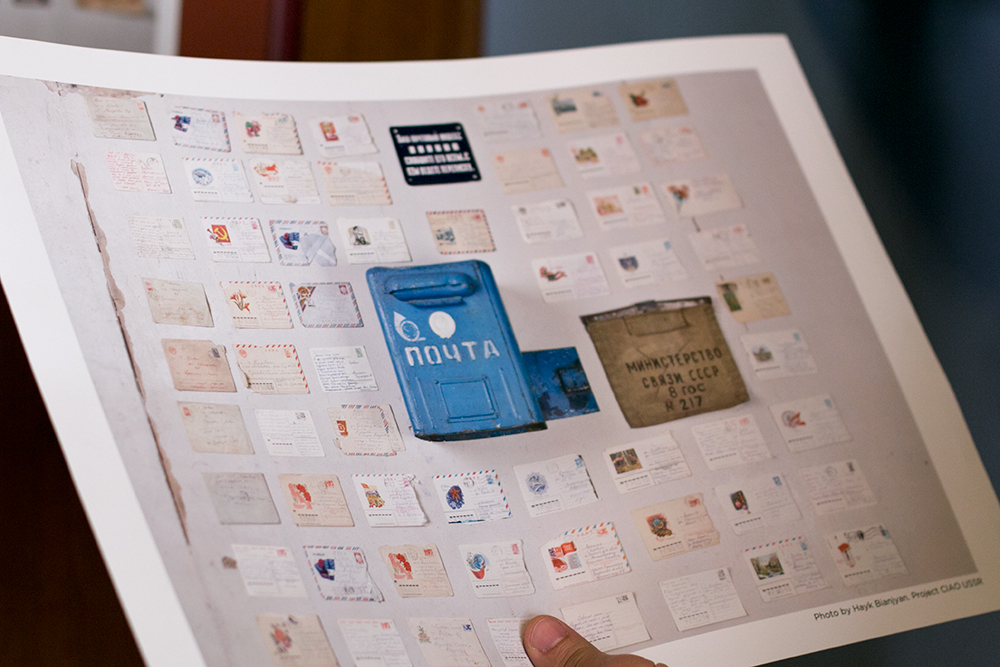
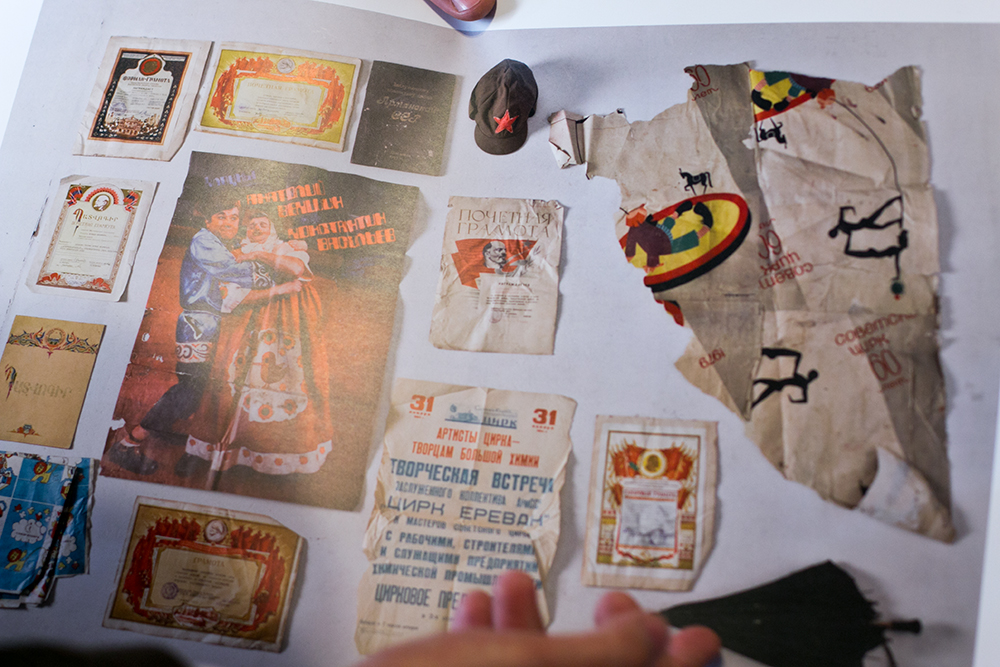
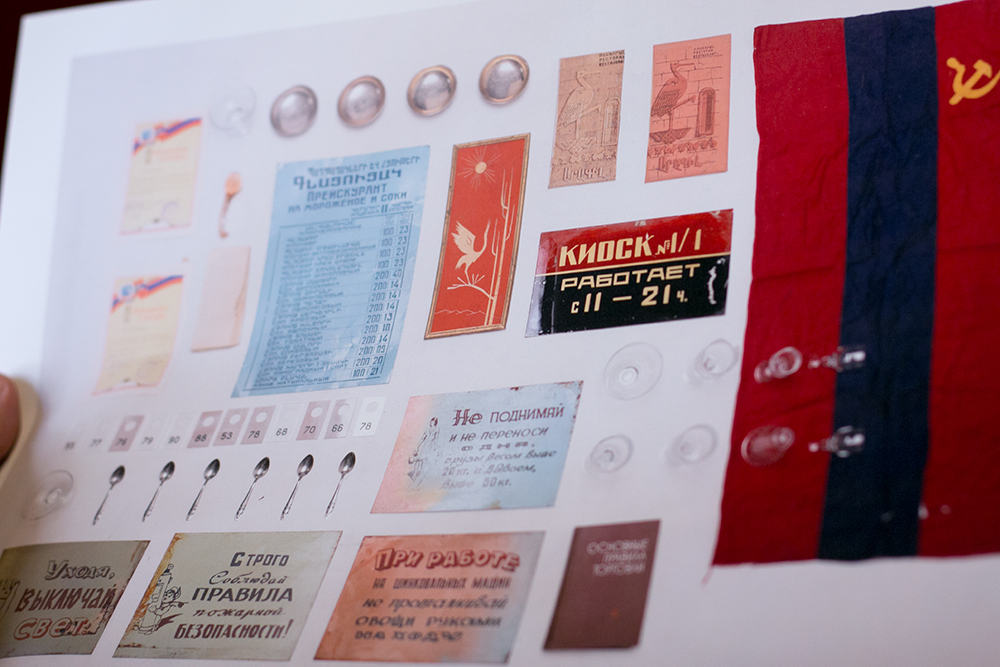
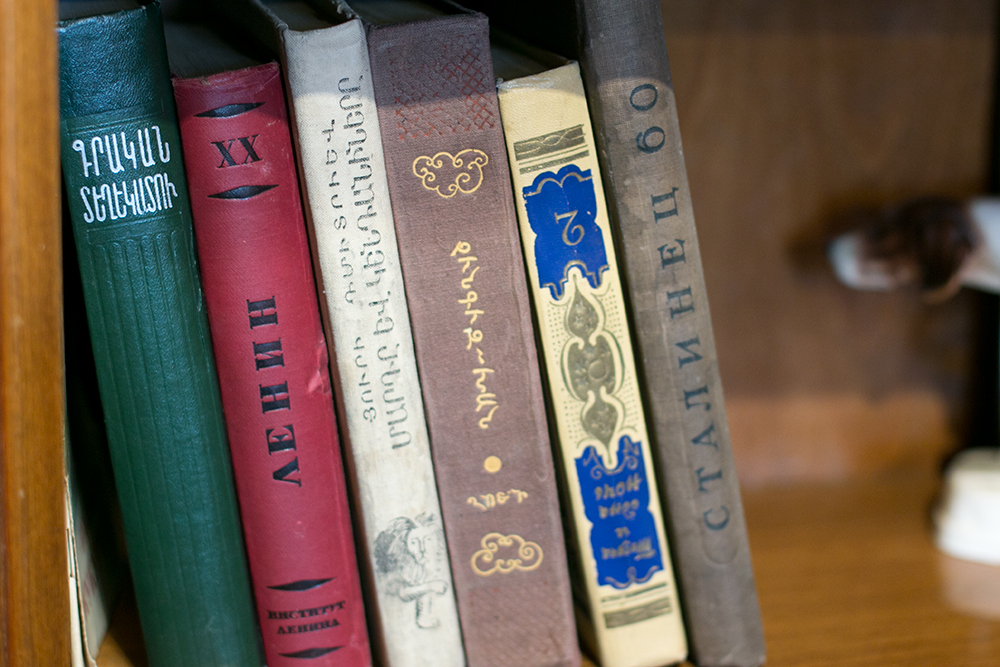
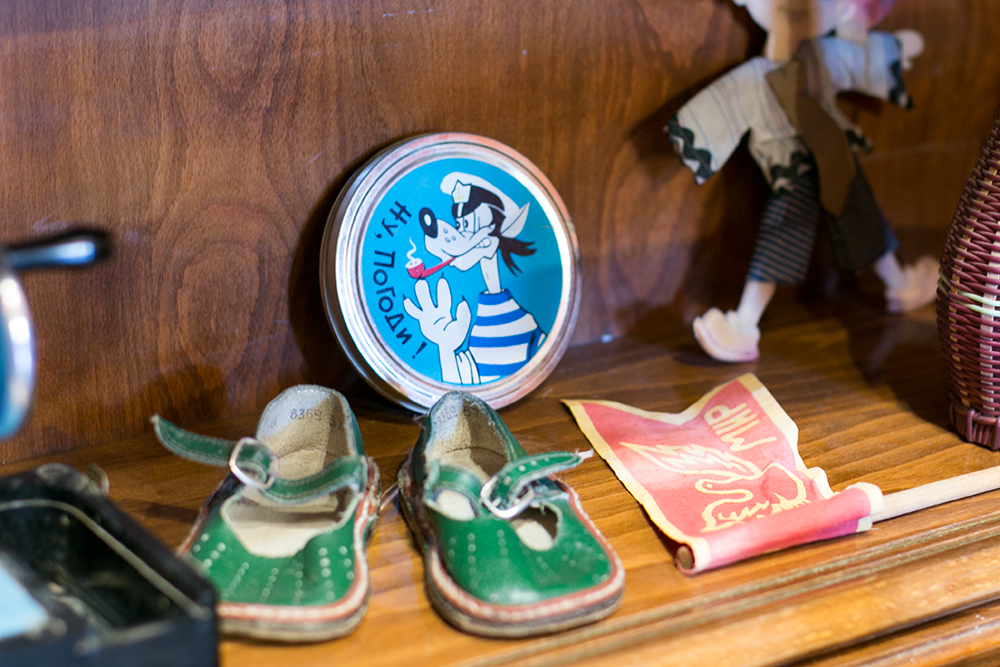
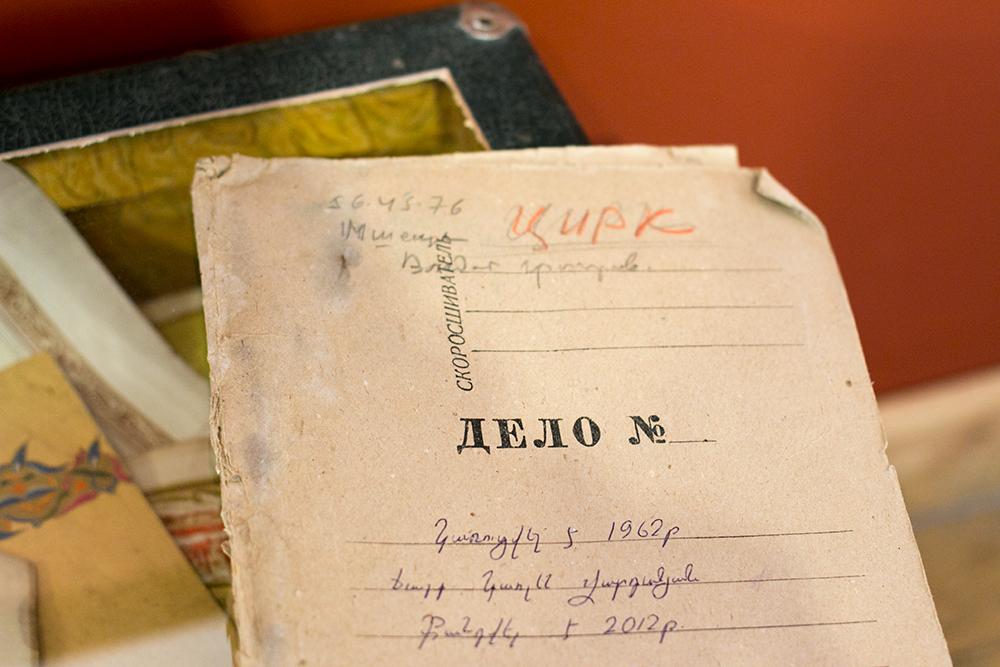
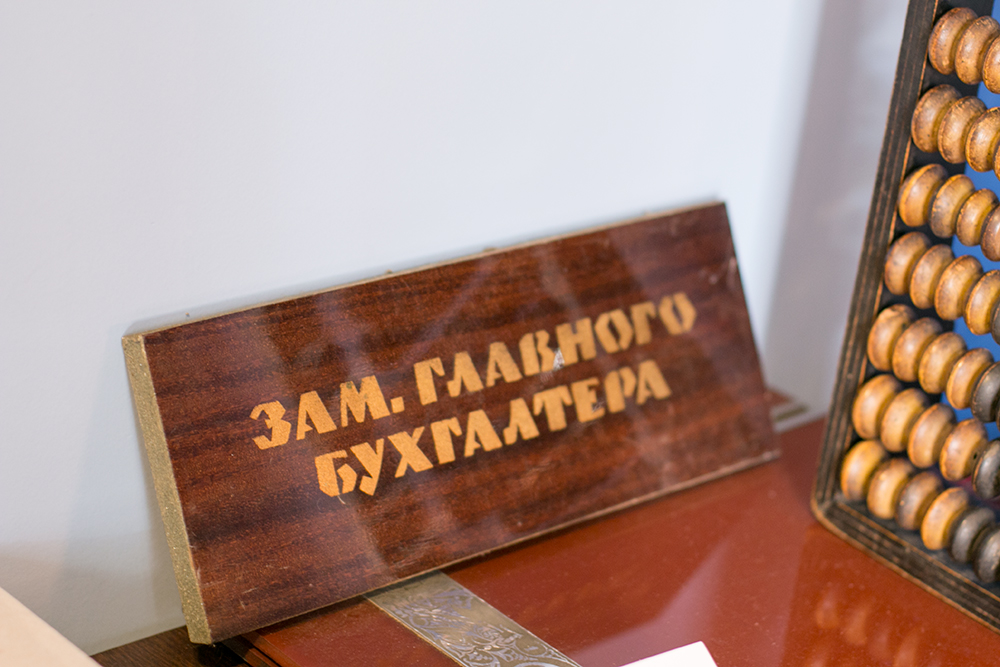
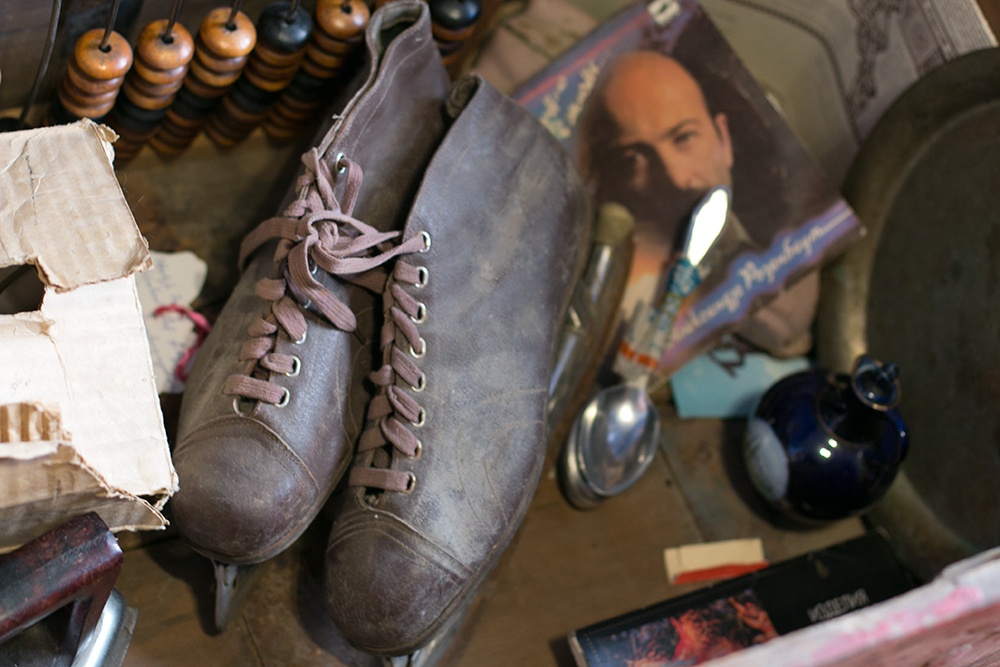
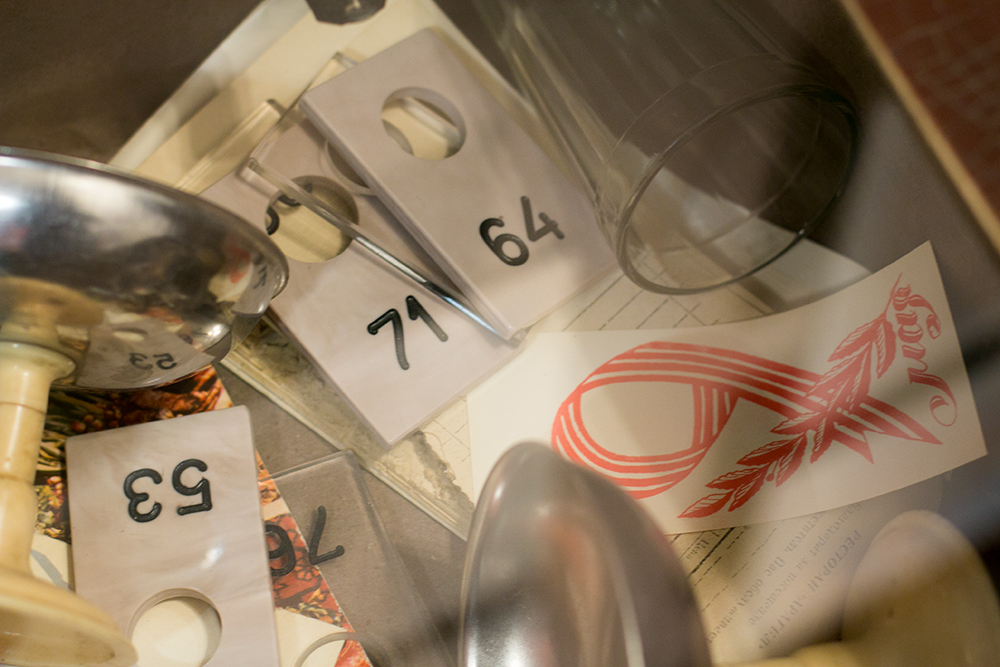
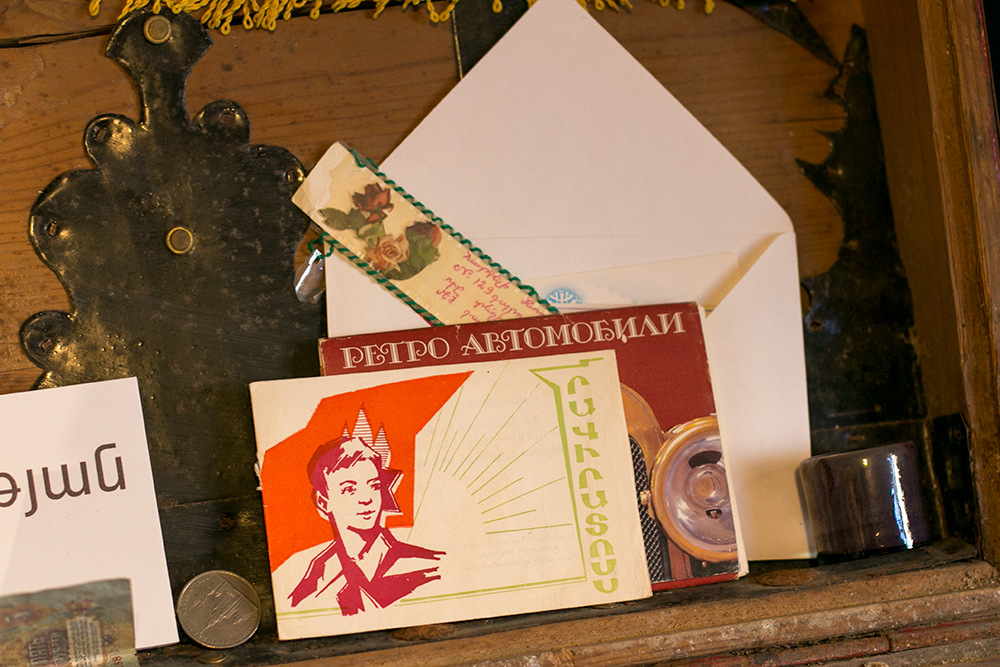
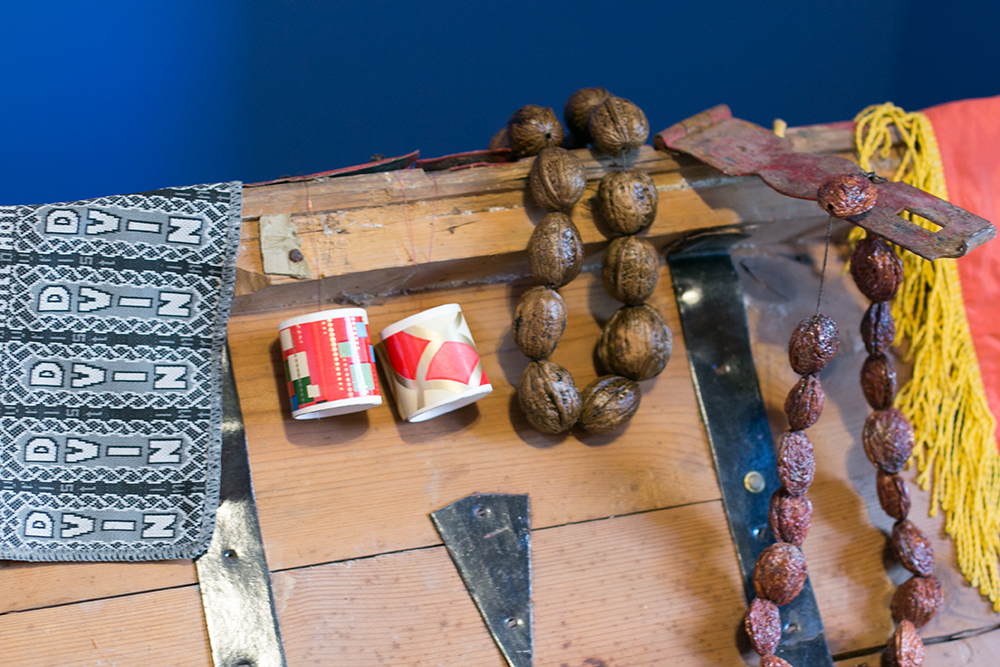
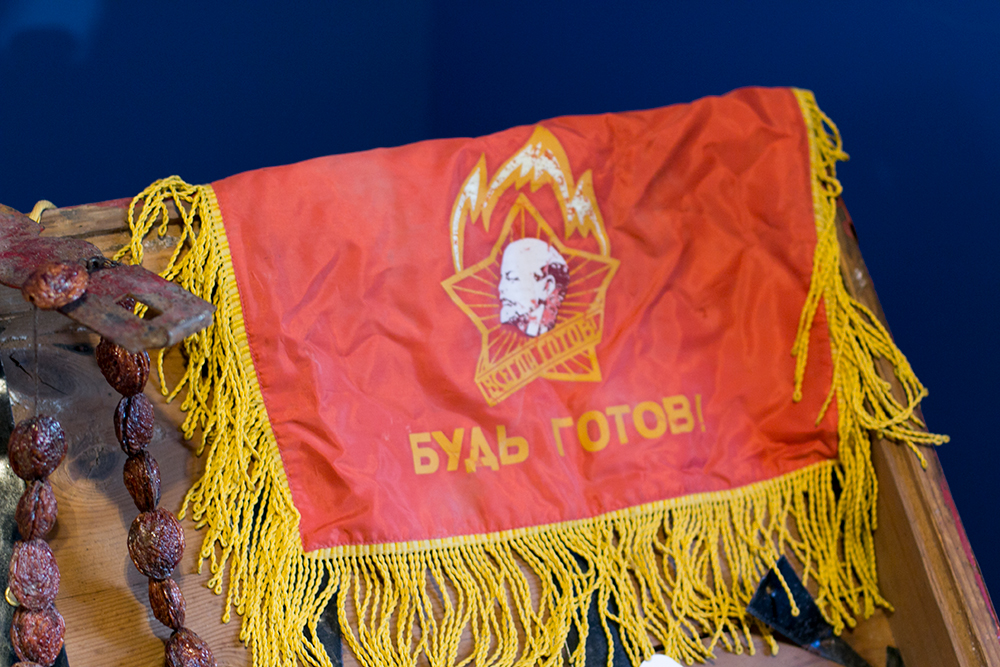
Absolutely loved the new halls of Matenadaran (The Museum of Ancient Manuscripts), was pleasantly surprised afters visiting recently opened Komitas Museum Yerevan, felt nostalgic at the “Ciao USSR” exhibition by Hayk Bianjyan, and find out that there is a Museum of Printing to be opened in Yerevan in May/June. So I definitely have to go back to visit it (though I'm not sure if there will be any moveable type on display).
In the following posts, I’ll try to tell you about people I’ve met and places I’ve visited during my short stay in Yerevan. In this post, I want to tell you more about a documentary photographer Hayk Bianjyan and his “Ciao USSR” exhibition hosted in a newly opened Sargis Muradyan Gallery.
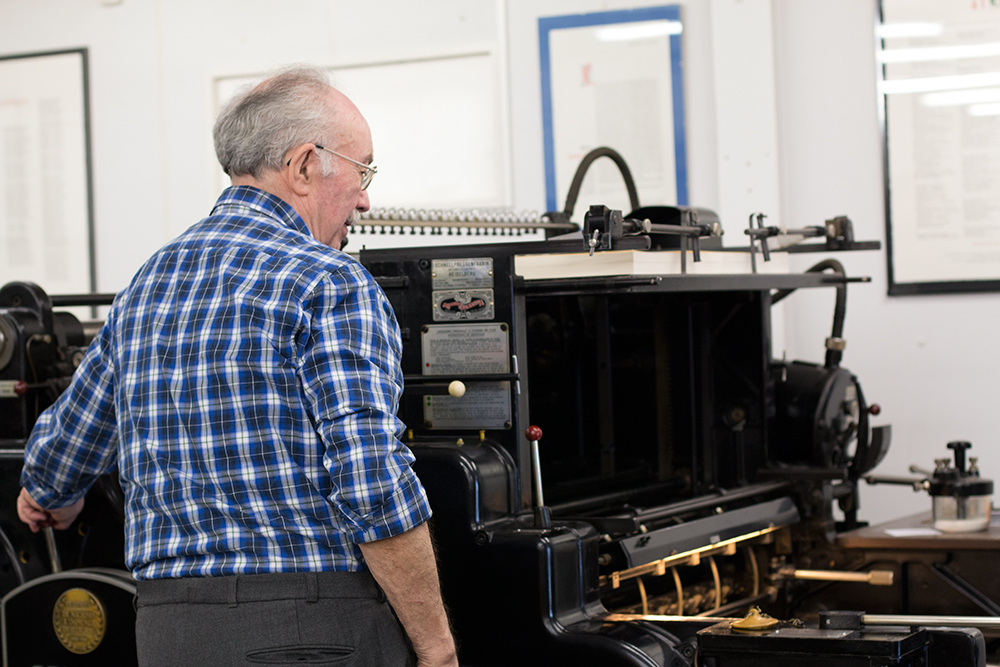
Yesterday I had a chance to visit a tiny museum in Brussels run by Henri Thomaes (82!). 20 years ago, the printer from Evere retired officially but he kept on going in his museum where time seems to have come to a standstill.
Read More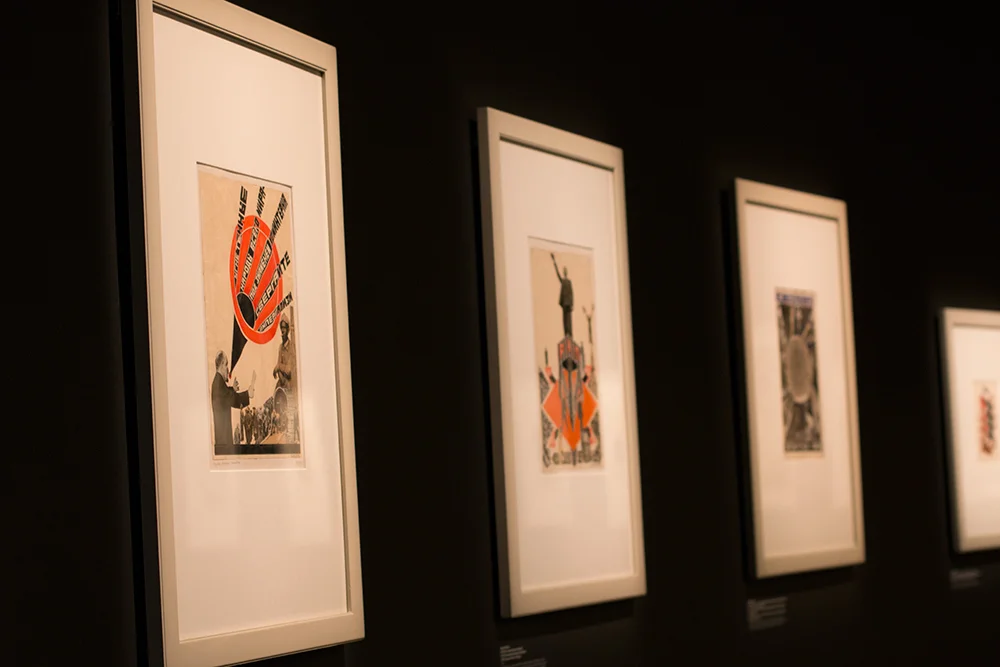
Intreeged by the leaflet of the Visionary Structures. From Johansons to Johansons exhibition in Bozar, I headed to Brussels.
The exhibition showcase works by seven Latvian artists active between 1920 and 2014 – Karl Iognason, Gustavs Klucis, Valdis Celms, Jānis Krievs, Artūrs Riņķis, Gints Gabrāns and Voldemārs Johansons. Despite the fact that each of these artists belongs to a different age and another ideological era, there is a coherence between their works. It was surprising how these pieces of art, design, architecture and urban planning were influenced by constructivism and futuristic ideas.
Read More